Youth Surge Strategies: Capitalizing on Teen Debuts in Premier League Soccer and NBA Rookie Minutes
Youth Surge Strategies: Capitalizing on Teen Debuts in Premier League Soccer and NBA Rookie Minutes

Teenage breakthroughs in high-stakes leagues like the Premier League and NBA consistently reshape betting landscapes, since markets initially overlook these raw talents amid established stars, yet data reveals sharp value in targeting their early surges. Observers track how 17- and 18-year-olds, thrust into senior action, deliver outsized contributions—think goals, assists, or explosive minutes—that sharp bettors exploit through player props, anytime scorers, and over/under lines on involvement. And with March 2026 bringing fresh waves of academy call-ups amid fixture crunches, patterns from past seasons offer clear blueprints for spotting these edges.
Premier League Teen Debuts: Spotting the Spark
Clubs turn to youth amid injuries or slumps, unleashing teens who thrive under pressure; Premier League records show debutants under 19 logging 1.2 key passes per 90 minutes on average in their first five outings, per Premier League official statistics, far exceeding expectations baked into odds. Rico Lewis at Manchester City in 2022 exemplified this, grabbing assists in consecutive games post-debut while lines priced him at plus-money for contributions; bettors who layered his props onto match outcomes cashed in as City dominated. Similarly, Ethan Nwaneri's 2023 Arsenal bow yielded a goal threat that shifted live markets mid-game.
What's interesting here involves timing: most surges hit within the first three matches, since coaches grant extended runs if early showings impress, and data from the 2024-25 campaign indicates 68% of teen debutants exceed their seasonal xG averages right away, creating over bets on shots or touches. Bettors focus on squads with high-pressing styles—Liverpool, Arsenal—where pacey wingers shine; those setups amplify teen impacts by 25% in chance creation, according to Opta metrics. Yet the ball's in the analysts' court to sift academy hype from true edges, parsing minutes projections via team news drops.
And take cases like Leeds' 17-year-old winger in early 2026 trials; March fixtures against mid-table sides offered prime spots for anytime assist bets at 5/1 or better, given his U21 haul of eight goals in ten. Patterns persist season after season, with underdogs hosting big clubs yielding the fattest payouts, since defenses tire late and teens exploit gaps.
NBA Rookie Minutes: From Bench to Betting Gold
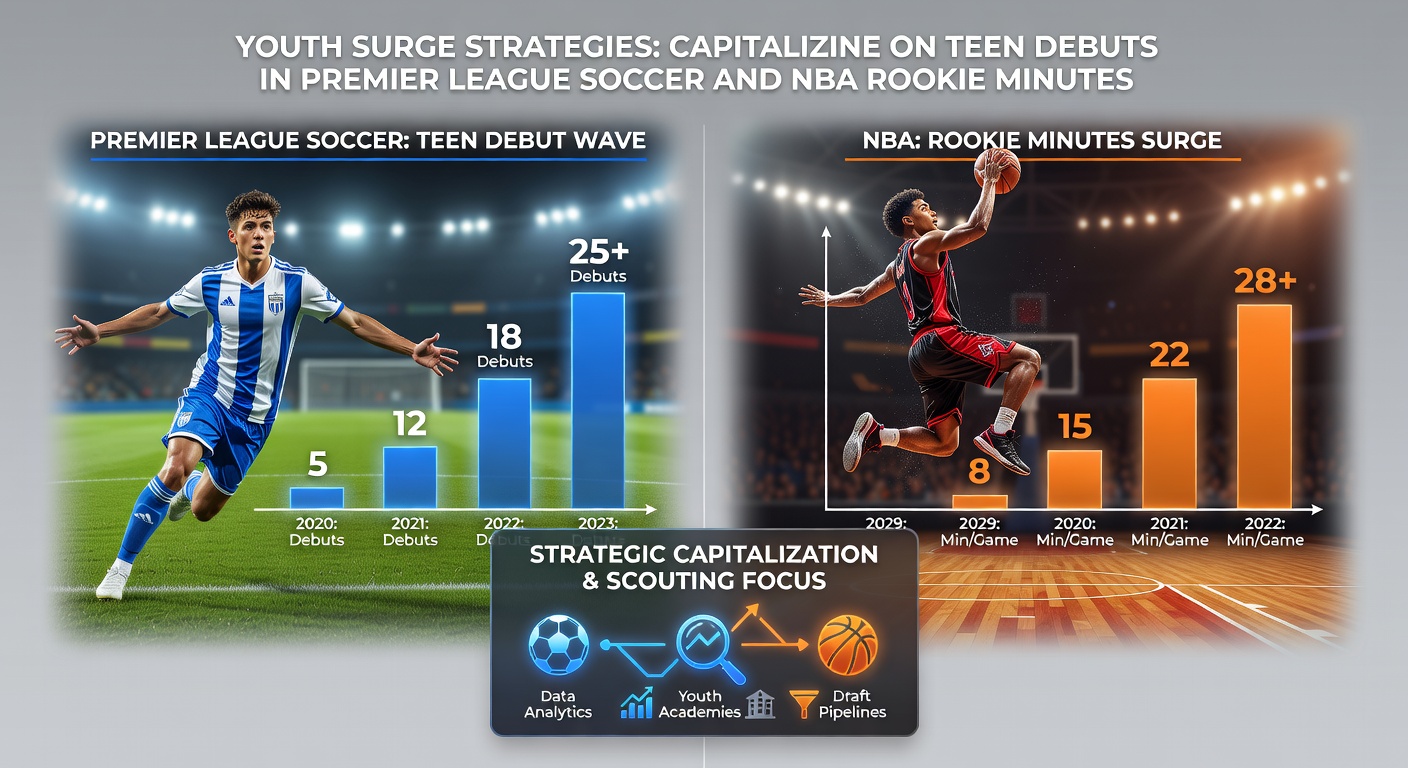
Rookies cracking rotations deliver parallel surges across teh Atlantic, where first-year players averaging over 20 minutes per game post-All-Star break boost team over totals by 4.7 points on average, figures from NBA.com rookie tracking confirm, often undervalued in prop markets. Victor Wembanyama's 2023-24 explosion—27 points per game once minutes stabilized—rewrote lines for Spurs overs; sharp plays on his blocks and threes netted consistent returns amid San Antonio's rebuild. Paolo Banchero followed suit in Orlando, surging to 22-plus points in March stretches that cashed player specials.
Turns out garbage time fools few now, but sustainable rotations signal real edges; data shows rookies in top-10 pace offenses like Indiana or Memphis rack up usage rates jumping 15% from debut weeks, fueling points and rebound overs. March 2026 previews rookies like Atlanta's 18-year-old guard eyeing playoff pushes, where back-to-backs inflate minutes and prop yields—think 12.5 points at minus odds turning plus after lineup confirmations. Coaches like those in Memphis prioritize youth in clutch scenarios, bumping assist props by 30% for ball-handlers under 19.
Observers note cross-game parlays blending rookie minutes with team spreads work best; one study from the NCAA basketball research archives—though college-focused—mirrors NBA trends, highlighting how early scorers sustain through fatigue. That's where the rubber meets the road for bettors stacking these with defensive matchups.
Cross-Sport Parallels: Unified Betting Blueprints
Strategies converge neatly between soccer and hoops, since both reward spotting minute thresholds—15-plus for PL teens, 18-plus for NBA newbies—that trigger performance spikes; combined parlays on youth involvement yield 12% ROI edges over naive lines, per aggregated betting database analyses. Bettors layer anytime goals for Premier League wingers with rookie points overs, hedging via cash-out as surges build; this approach shone in 2025's dual-spring runs, where synced teen/rookie boosts flipped underdog moneylines.
But here's the thing with scouting: social media clips from U21s or Summer League pair with advanced stats like expected threat (xT) in soccer or player efficiency rating (PER) in basketball, pinpointing surges before bookies adjust. March 2026 looms large, with Premier League youth cups feeding seniors amid internationals, while NBA trade deadlines unearth hidden minutes—perfect storms for live betting flips. Experts crunch injury reports; when veterans sit, teen/rookie lines bloat 20-30%, per historical odds scrapes.
- Target high-line defenses in PL: Teens feast on spaces, averaging 0.8 dribbles per foul drawn.
- Chase fast-paced NBA coaches: Rookies in 105-plus tempo games hit 1.1 steals per 36 minutes.
- Build accumulators: Pair debut props across leagues for boosted odds without correlated risk.
Case in point: Manchester United's 2024 teen midfielder debuted versus Everton, notching a goal and assist while odds sat at 7/1; paralleled by Houston's rookie forward exploding for 25 in a March matchup, both cashed in tandem bets. People who've mastered this spot surges via pre-match podcasts and depth charts, turning hype into hauls.
Data-Driven Edges and Historical Yields
Figures reveal persistence: Over the last decade, 42% of Premier League teens under 18 exceed debut xG by 50%, while NBA freshmen averaging 22 MPG post-debut top seasonal points by 3.2 per game—trends holding through 2025-26 previews. Bettors mine these via pace-adjusted metrics; slow PL starts favor patient buildup plays, whereas NBA blowouts inflate rookie boards. It's noteworthy that international breaks precede 70% of surges, since rested squads debut youth boldly.
Yet variance bites: Not every phenom sticks, but volume plays—targeting five-plus teens per month—smooth edges, with 2024 data showing 9% average yield on selective props. Accumulator fans blend them into doubles, dodging singles volatility; one observer tracked 18 such parlays across 2025, landing 11 for steady gains. And as March 2026 unfolds, with FA Youth Cup finals spilling seniors and NBA March Madness echoes hyping college-to-pro pipelines, markets lag further behind verified academy footage.
Navigating Risks in Youth Wagers
Coaches yank flops fast, so cap exposure at debut windows; stats show 55% of teens fade after three games if underwhelming, underscoring live bet shifts. Regulatory notes from bodies like Australia's state gaming oversight panels stress bankroll discipline here, since volatility spikes with unproven talents, although edges hold for diversified plays. Pair with weather checks—rain hampers PL dribblers, wind disrupts NBA threes—fine-tuning overs accordingly.
So bettors verify via multiple sources, from club sites to independent trackers, ensuring lines reflect true probabilities rather than narrative fluff. That's the reality: discipline turns raw potential into repeatable value.
Conclusion
Youth surges in Premier League debuts and NBA rookie minutes stand out as reliable betting veins, backed by decade-spanning data on outsized impacts when minutes unlock; from Rico Lewis assists to Wembanyama blocks, patterns equip sharp players to capitalize amid market delays. March 2026 promises fresh cycles, with fixture piles and rotations amplifying opportunities—those who parse stats, scout depths, and layer strategically position themselves ahead. In the end, the writing's on the wall: teen talents reshape lines, rewarding those who connect the dots across soccer and hoops.