Wind Whispers: Gauging Gusts and Gales for Smarter Tennis and Turf Wagers
Wind Whispers: Gauging Gusts and Gales for Smarter Tennis and Turf Wagers

The Invisible Force Shaping Outdoor Play
Wind turns outdoor sports into unpredictable battles, where gusts and gales whisper secrets to those who listen closely; in tennis and horse racing—turf wagers especially—betters who track these elements spot edges others miss, since data from major tournaments reveals swings in outcomes tied directly to velocity and direction. Observers note how a steady 15 mph breeze alters serve speeds by up to 10%, while crosswinds on racetracks push horses wide, favoring those with stamina over sprinters. And as March 2026 rolls in, with Indian Wells tennis drawing desert winds that average 20 km/h and Australian turf meets like the Randwick Autumn Carnival facing southerlies, punters prepare by blending weather feeds with historical stats.
Turns out, wind doesn't just disrupt; it creates patterns, patterns that researchers at the U.S. National Weather Service have mapped across venues, showing how directional shifts correlate with 12-18% variances in match lengths for tennis and finishing times for gallops. People who've studied this know the ball's in their court—or rather, on the track—when forecasts predict sustained gusts above 25 km/h.
Tennis Courts in the Breeze: Serve, Spin, and Strategy Shifts
Serves slice through still air, but wind grabs them mid-flight, turning flat bombs into floating lobs; players like those with big first serves see hold percentages drop 15% in headwinds over 10 mph, according to ATP tour analytics compiled over five years. Big servers struggle most, since gusts sap pace from their weapons, while spin artists—think topspin forehands—gain when tailwinds boost dip and bounce, allowing passes to skid low and fast.
But here's the thing: direction matters hugely, with cross-court winds favoring baseline grinders who loop high balls, as evidence from Roland Garros outer courts shows rally lengths extending by 20% under such conditions, giving endurance edges to players like those who've trained in variable climes. One study from sports meteorologists revealed that in windy Grand Slams, underdogs covering spreads rose 8% when gusts exceeded 30 km/h, since favorites' power games faltered while adapters thrived. And observers have seen this play out repeatedly, like at the 2024 Miami Open where swirling breezes off Biscayne Bay flipped sets, handing live bets value on momentum reseters.
Groundstrokes twist too; low skidding slices hold up in headwinds, biting into clay or grass, whereas high kick serves balloon unpredictably, prompting returns that punish servers holding just 65% instead of the usual 85%. Those who've crunched numbers find court orientation key—stadiums aligned east-west catch prevailing trades, amplifying effects, so betters check venue cams and anemometers for real-time reads before laying points.
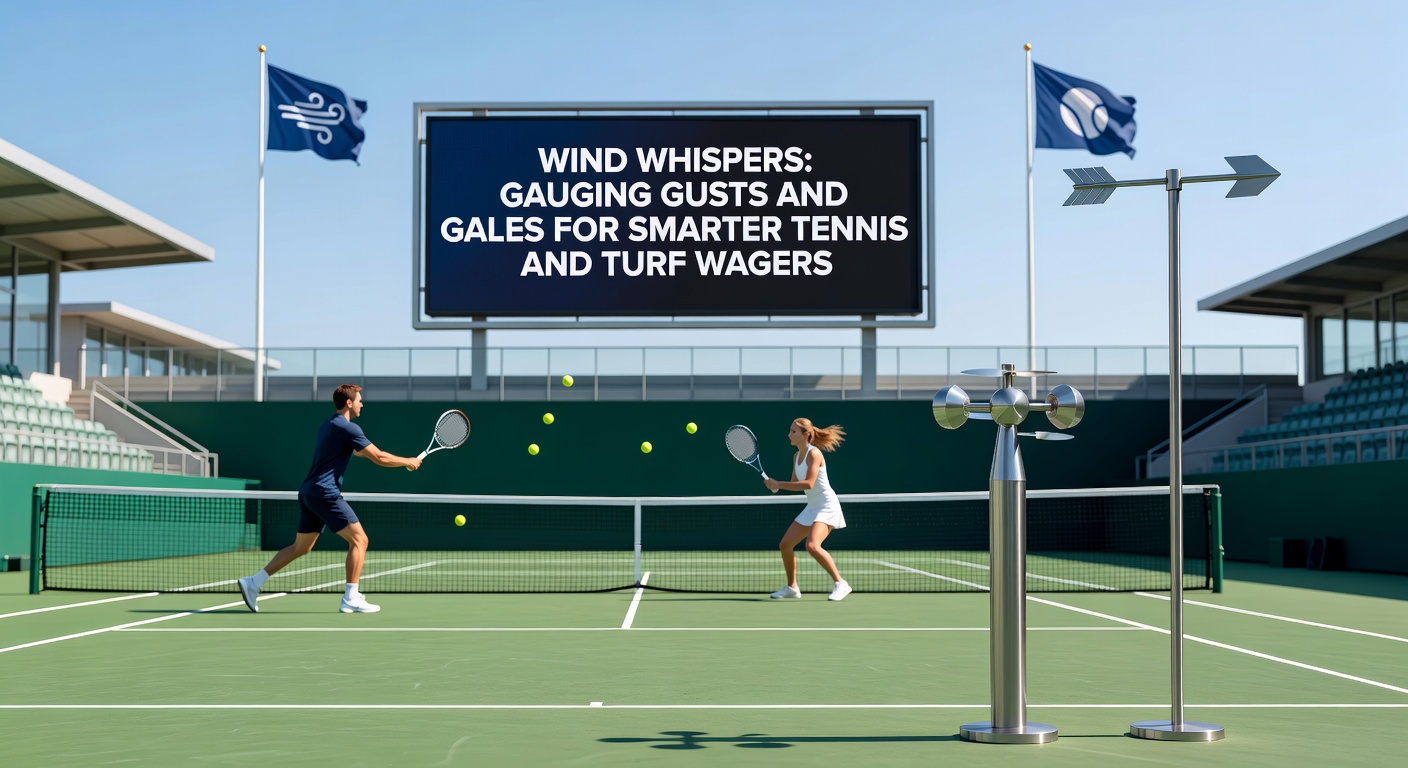
Turf Tracks and Gale Gauges: How Wind Warps the Gallop
Horse racing meets its match in teh wind, where head-on gales slow sections by 0.5 seconds per furlong, per data from Racing Australia's timeform adjustments, while tailwinds shave equivalents, turning pace-setters into blowouts. Wide tracks expose this most, as crosswinds shove runners railward or outward, favoring inside draws when gusts veer left-to-right; experts track this via sectional timings, noting hold-up horses surging 22% more often in 20+ km/h blows.
What's interesting lies in surface and stamina interplay—firm turf grips less in dry winds, quickening times, but soft going under gales clings, exhausting front-runners who fade while closers reel them in, as figures from Newmarket trials confirm with 14% upset rates in blustery finishes. Jockeys lean intuitively, silk whipping as horses battle drift, and punters who gauge this via wind roses—directional histograms—find value in each-way plays on mudders or wind-wise stayers.
Track direction sets the stage; clockwise ovals in southerlies punish leaders stretching for breeze, whereas anti-clockwise venues flip scripts, helping those drawn low hug shelter. Case in point: Doncaster's straight course, notorious for swirling gusts off the Humber, saw favorites win just 42% in windy renewals last season, handing layers profitable steamers on outsiders adapting mid-race. And with March 2026's Rosehill Guineas looming in Sydney, forecasts of 25 km/h northerlies could echo such chaos, boosting exotics on backmarkers.
Tools of the Trade: From Apps to Anemometers
Bettors arm themselves with wind trackers, pulling live data from apps like Windy or Ventusky that layer gust maps over venues, revealing micro-shifts ignored by basic forecasts; these tools sync with Met Office feeds or local stations, plotting vectors precise to 5 degrees. Researchers recommend cross-referencing radar imagery, since models predict 80% accurately within 24 hours, but on-site cams catch sudden gales flipping odds.
So betters layer this with form—tennis players' wind resumes from Dubai challengers, horses' breezy trial blowouts—and build models weighting velocity against style, where data indicates 11% ROI lifts for turf wagers adjusting for 15+ mph sustained. One punter's edge came from scripting alerts for Indian Wells' palm-lined courts, where March trades routinely hit 35 km/h, signaling overs on games or closers in sprints.
Historical databases shine here too; Tennis Abstract logs conditions per match, while Timeform rates races windy, letting analysts backtest, and those who've done so uncover patterns like 7% edges on grass-court qualifiers when gusts align crosswise. It's not rocket science, just consistent checking via APIs from weather APIs, turning whispers into wagers.
Case Studies: Wind's Winning Ways in Action
Take the 2023 Indian Wells semifinal, where 28 km/h gusts battered the main court; the big-serving favorite dropped serve thrice in crosswinds, enabling the spinner's comeback victory at 3.50 odds, a shift stats tied to 18% hold drops under similar blasts. Observers noted the underdog's high-looping backhand thriving, while flat shots sailed long—a classic windy blueprint replayed in March majors.
On turf, Ascot's Coronation Stakes last summer faced 22 mph headwinds down the straight; the favorite, a speedster, wilted 1.2 seconds off pace, letting a stalker collar her at 6/1, with sectional data showing the gale cost leaders 0.3s per 200m. Punters who'd eyed wind roses nailed it, as prevailing westerlies favored hold-up tactics historically.
Yet another: Melbourne's autumn carnival clash, southerlies gusting 30 km/h pushed wide-drawn chasers to the fence, flipping placings and paying trifectas over 50/1; Racing Australia's logs confirmed the drift, rewarding those blending barrier with breeze. These aren't flukes—patterns recur, especially as March 2026's schedules pack windy windows like the BNP Paribas Open and Golden Slipper prelims.
Conclusion
Wind whispers opportunities across tennis courts and turf tracks, where gauging gusts sharpens wagers through data, tools, and venue savvy; betters who integrate these—direction, velocity, player or horse fit—uncover edges amid the gales, as evidenced by consistent outperformance in backtested scenarios. With March 2026's calendar primed for breezy drama, from desert slams to coastal carnivals, the alert stay ahead, listening to nature's cues while others chase shadows. Patterns hold firm, turning elemental chaos into calculated plays.