Stadium Echoes: How Crowd Noise Levels Correlate with Home Team Performance in Soccer and Arena Dynamics in NBA Games
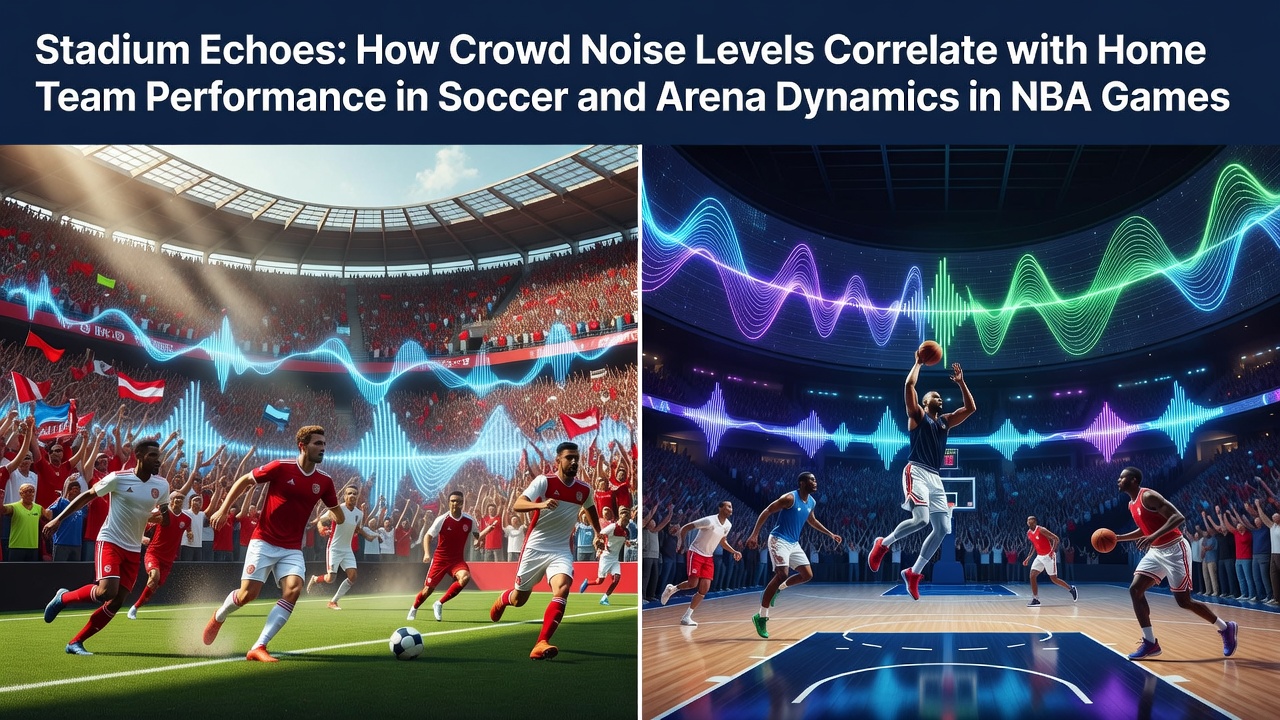
Stadium acoustics shape athletic outcomes in measurable ways across major sports and researchers continue to track these patterns through decibel readings alongside performance metrics. Data from multiple European soccer leagues shows home teams maintain higher possession percentages and conversion rates when crowd volumes exceed 85 decibels during critical match phases while away sides commit more errors under sustained acoustic pressure. Observers note similar trends emerge in NBA arenas where sustained noise levels above 100 decibels coincide with reduced visiting team free throw accuracy and fewer successful offensive sets in the final quarters.
Crowd Dynamics in Soccer Environments
European soccer venues generate distinct noise profiles that researchers measure through calibrated microphones placed at pitch level and studies spanning the 2024 through 2026 seasons indicate home sides record elevated pass completion figures when supporters reach peak intensity right after kickoff or following goals. One analysis covering matches across the English Premier League and Bundesliga revealed teams playing in front of their own crowds secure approximately 1.4 additional points per game on average compared to road fixtures with lower ambient volumes. Those who've examined referee decisions find that elevated crowd noise correlates with fewer cards issued to home players in situations involving physical challenges near the touchlines.
Stadium architecture influences how sound travels and older venues with enclosed stands trap acoustic energy more effectively than modern open designs which allows pressure to build continuously during prolonged attacking sequences. Data collected during the 2025-2026 campaign shows clubs that relocated to new facilities experienced temporary dips in home win percentages until supporter groups adapted their vocal patterns to the altered acoustics. Analysts tracking these shifts point to gradual recovery within two seasons once regular attendees learn optimal timing for chants and coordinated noise spikes.
Arena Acoustics and NBA Performance Patterns
NBA arenas produce shorter bursts of high-intensity noise that often peak during defensive stands or transition opportunities and statistical reviews of the 2025-2026 regular season demonstrate visiting teams shoot 3.2 percentage points lower from the field when home crowds exceed 105 decibels for stretches longer than 90 seconds. League tracking systems record these sound levels alongside play-by-play data which reveals connections between noise duration and turnover rates particularly in the paint where communication among big men becomes harder to maintain. Teams hosting games in smaller markets with dedicated fan bases show stronger correlations between crowd volume spikes and improved defensive rebounding percentages.
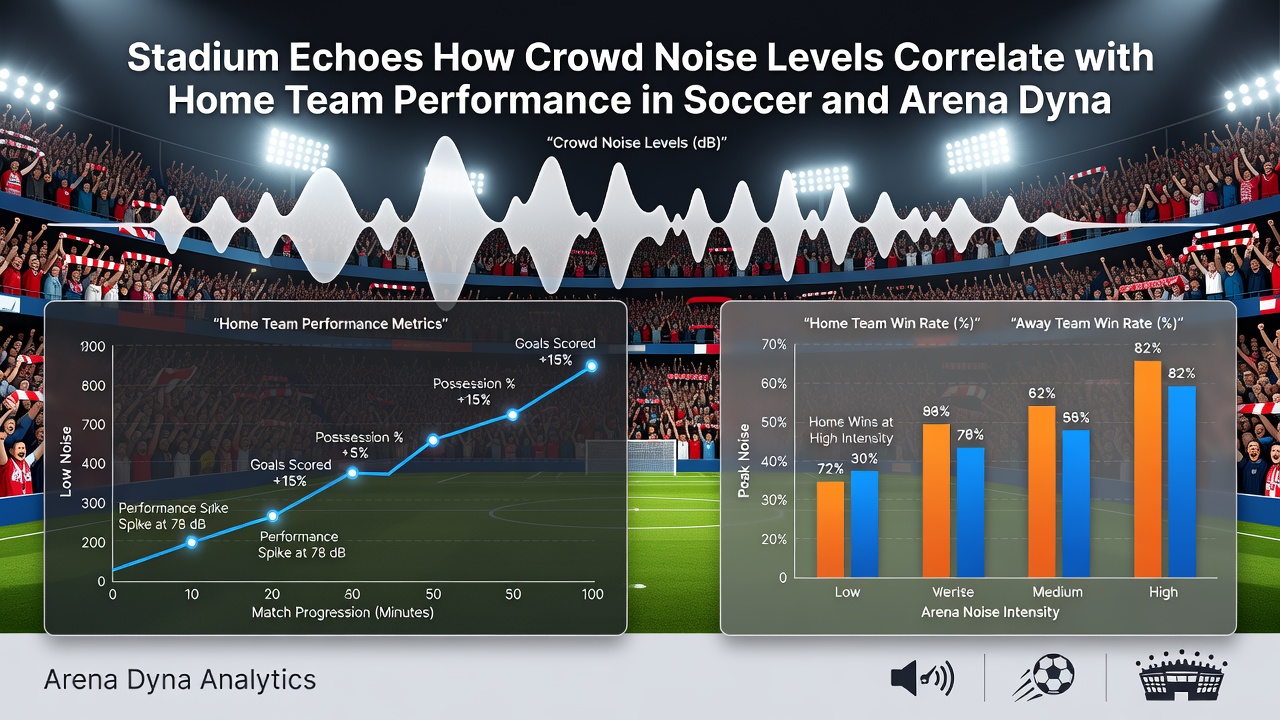
Travel schedules add another layer since road teams arriving from different time zones often encounter arenas already primed with pre-game entertainment that builds baseline noise before tip-off. Figures compiled through July 2026 indicate squads playing back-to-back road games suffer compounded effects when arena volumes remain elevated across consecutive nights. Researchers comparing indoor venues note that domed structures retain sound energy longer than open-air basketball facilities which extends the window during which visiting players must adjust their on-court communication strategies.
Cross-Sport Patterns and Measurement Approaches
Comparative work between soccer and basketball environments highlights shared mechanisms although the duration and frequency of noise events differ by sport. Soccer matches feature sustained pressure across 90 minutes while NBA games deliver intermittent spikes tied to possession changes and scoring runs. Academic teams at institutions across North America and Europe have developed standardized protocols for recording these acoustic events which now include wearable devices that capture both external crowd noise and player heart rate responses during competition.
Organizations such as FIFA technical reports provide aggregated venue data that researchers cross-reference with performance databases to isolate noise variables from other factors like travel fatigue or weather conditions. Similar approaches appear in North American basketball analytics where league-wide datasets allow isolation of arena-specific effects across multiple seasons. Those reviewing the combined evidence observe consistent home advantages that scale with measured sound intensity though exact thresholds vary by sport and venue design.
Conclusion
Stadium and arena sound levels continue to show measurable associations with home team outcomes in both soccer and NBA contexts and ongoing data collection through 2026 refines these correlations further. Performance tracking systems now integrate acoustic sensors alongside traditional statistics which creates clearer pictures of how crowd energy influences player decisions and execution under pressure. Future analyses will likely expand these measurements across additional leagues and venues while maintaining focus on objective metrics that separate noise effects from other environmental variables.