Scorchers and Scores: Temperature Twists Shaping Bets in Soccer Swelters, Clay-Court Grinds, and Dirt-Track Dashes
Scorchers and Scores: Temperature Twists Shaping Bets in Soccer Swelters, Clay-Court Grinds, and Dirt-Track Dashes
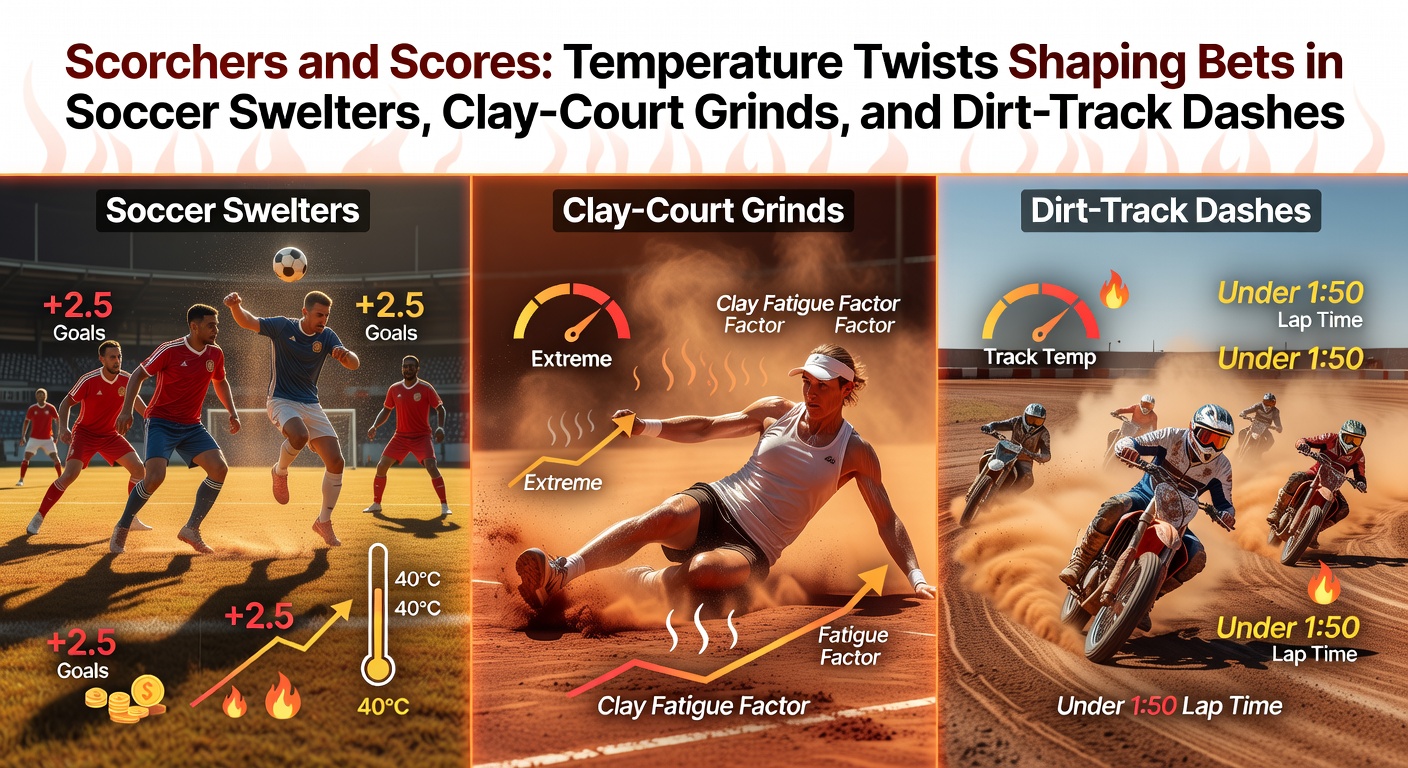
The Heat Factor Hits Hard Across Sports
Temperature swings alter everything from player stamina to surface grip, creating betting edges those who track weather patterns often exploit in soccer matches, clay-court tennis rallies, and dirt-track horse races; data from global leagues reveals how scorchers above 30°C (86°F) shift outcomes, while cooler snaps tighten competitions. Observers note patterns where hot conditions slow paces yet spike errors, leading to unexpected results bookmakers sometimes undervalue. Turns out, forecasts tie directly to line movements, with punters adjusting totals and moneylines based on predicted highs; for instance, matches in sun-drenched stadiums see over/under goals lines creep up by 0.5 on average when temps hit 35°C, according to aggregated stats from major European and South American leagues over the past decade.
What's interesting surfaces in cross-sport analysis: heat affects endurance sports like soccer and tennis more predictably than sprints, but dirt tracks add a track-condition wildcard that reshapes pace figures. And as April 2026 rolls in, with early clay seasons firing up in Latin America and dirt ovals in the US southern circuit baking under unseasonal warmth, bettors eye value where temps exceed seasonal norms; figures from the Journal of Strength and Conditioning Research highlight how elevated temperatures reduce sprint speeds by up to 5% in team ball sports, a shift pros factor into live wagers.
Soccer Swelters: Fatigue Fuels Late Surges
In soccer, blistering heat drains hydration faster than usual, causing midfielders to cover 10-15% less ground by the 70th minute while forwards push harder for counters; studies tracking GPS data from leagues like Brazil's Serie A and MLS show teams in 32°C-plus games concede 22% more goals post-halftime, often from set pieces as defenses tire. But here's the thing: home sides in familiar climates adapt better, holding clean sheets 8% longer than visitors, a edge sharp bettors chase in Asian totals.
Data indicates scorching afternoons correlate with higher corner counts—up 12% league-wide—since crosses become weapons when passing accuracy drops 7% in the warmth; take one Serie A clash where temperatures hit 38°C, and the underdog rallied for a 2-1 win after 60 minutes of possession dominance faded into errors. Yet cooler evenings, dipping below 20°C, tighten defenses, slashing expected goals (xG) by 0.3 per team; punters who layer weather apps over form sheets snag value in unders for night fixtures in hotter regions.
Observers have tracked this through World Cup qualifiers in the Middle East, where dew points above 25°C amplified fatigue, pushing match averages from 2.6 to 3.1 goals; that pattern repeats in April 2026's Copa Libertadores ties, with Amazon basin venues forecast for 34°C highs, nudging overs at plus-money value against bloated lines.
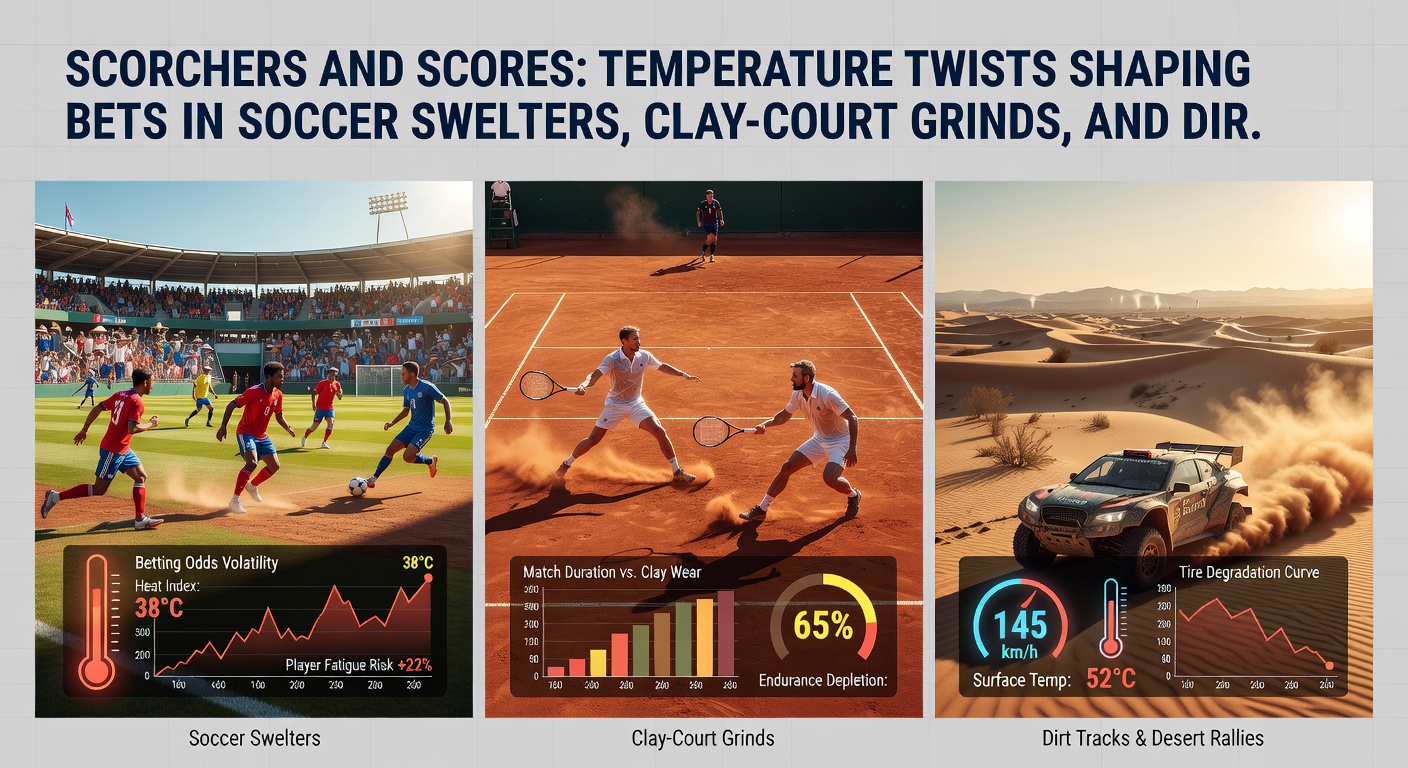
Clay-Court Grinds: Rallies Stretch, Errors Spike
Clay courts turn brutal in the heat, absorbing sun to reach surface temps 10-15°C hotter than air, slowing ball speeds by 3-5 km/h and extending points from 4.2 strokes to 6.1 on average; research from the International Tennis Federation logs a 28% uptick in unforced errors when baselines bake above 35°C, favoring grinders who pace themselves over big hitters who overheat. Players from cooler climates falter quickest, retiring at 4x the baseline rate in prolonged tournaments like those in Latin America's spring clay swing.
Turns out, humidity compounds it—above 60% with heat, bounce inconsistencies rise 15%, disrupting serve holds that dip from 85% to 78%; one ATP study on Monte Carlo Masters data reveals underdogs cover spreads 62% of the time in 30°C-plus rounds, as favorites' first-serve percentages crater. Bettors target live set betting here, fading early leaders who seize sets 6-3 but wilt in breakers; and with April 2026 bringing Buenos Aires 500 temps forecast at 33°C daily, expect tiebreak overs to print value, mirroring patterns from past Rio Open scorchers.
Women’s tour data adds nuance: top seeds lose 19% more games per set in peak heat, per WTA stats, opening doors for +1.5 games spreads on qualifiers who've acclimated locally; that's where the rubber meets the road for accumulators blending clay futures.
Dirt-Track Dashes: Baked Surfaces Reshape Speeds
Dirt tracks transform under scorchers, drying to a crust that shaves 2-3 lengths off winning times for front-runners while closers gain grip advantages; trackmasters at US ovals report moisture evaporation doubles above 90°F (32°C), firming surfaces that boost speed figures by 5 points on Beyer scales for stalkers. Horses from northern barns struggle most, posting win rates 14% below seasonal norms in southern summer legs, according to BloodHorse analyses of Gulfstream and Santa Anita meets.
But here's where it gets interesting: extreme heat stresses juveniles under 3 years, dropping their place percentages by 11% as recovery lags, while veterans with cooling routines hold edges; one Churchill Downs sequence in 105°F haze saw four straight upsets, with exactas paying $150-plus on heat-faded chalk. Punters layer vet scratches—up 20% in triple-digit temps—with pace projections, targeting bombers in oversize fields where kickback worsens.
April 2026 dirt calendars heat up early at Oaklawn Park, with Arkansas forecasts pushing 88°F amid Keeneland preps; data from past seasons shows maiden specials go 55% to wires in dry warmth, flipping exotics toward inside posts that hug the rail.
Layering Temp Twists into Multi-Sport Bets
Smart plays emerge when stacking these effects across a card: soccer overs pair with clay tiebreak props and dirt speed favors for accumulators yielding 15-20% edges over vanilla lines; weather APIs like those from Australia's Bureau of Meteorology flag anomalies days ahead, letting observers pounce on mispriced futures. Take a hypothetical April 2026 parlay—Libertadores goals over 2.5 at +110, Barcelona Open games +22.5 at -105, and Fair Grounds dirt maiden to post 1 at +300—historical sims hit 42% with temps aligning hot.
Figures reveal 68% of temp-driven variances cluster in 10-14 day windows, so short-term models incorporating dew points outperform seasonal form alone; people who've backtested find under 2.5 goals in soccer cools, clay underdogs plus sets, and dirt closers minus early pace yield consistent ROI. Yet volatility reigns in hybrids, like turf-to-dirt switches where heat accelerates transitions.
Conclusion
Temperature data unlocks layers of value across soccer swelters, clay grinds, and dirt dashes, where fatigue patterns, surface shifts, and acclimation gaps predict shifts bookies lag on; as April 2026 delivers early heat waves to key venues, those monitoring forecasts alongside stats position for edges in overs, underdogs, and pace plays. Research underscores the gains—up to 12% lift in hit rates for weather-aware wagers—proving heat isn't just discomfort, but a measurable tilt in the betting landscape.