Form Fadeouts: Unearthing Profitable Angles in Slumping Soccer Teams and Stagnant NBA Squads
Form Fadeouts: Unearthing Profitable Angles in Slumping Soccer Teams and Stagnant NBA Squads

Teams hit rough patches all the time, whether it's a Premier League side dropping points week after week or an NBA squad that's suddenly forgotten how to score in the paint; those moments, known as form fadeouts, create betting opportunities because oddsmakers and the public often overreact, inflating prices on one side while undervaluing the other. Data from major leagues shows that slumps lasting four to six games occur in about 25% of teams each season, yet bettors pile on recent losers or chase overhyped favorites, leaving edges for those who dig into underlying metrics like expected goals in soccer or player efficiency ratings in basketball. And as March 2026 rolls around with European soccer leagues pushing toward season's end and NBA playoffs looming, observers spot these fadeouts everywhere, from mid-table clubs clinging to survival to Eastern Conference contenders sputtering on the road.
Spotting the Signs in Soccer Slumps
Soccer teams slump for reasons that go beyond surface results; fatigue from fixture congestion, key injuries, or tactical mismatches often underlie strings of draws and defeats, and figures reveal that clubs with negative expected goal (xG) differentials over five matches win just 18% of their next games outright, according to Opta Analyst data aggregated across top European leagues. Take a mid-season dip like the one Tottenham endured in early 2025, where they lost four straight despite controlling possession; bettors faded them heavily at evens or better, but the real value emerged in Asian handicap lines, where teams in similar spots covered the spread 62% of the time when facing top-half opponents. Experts track metrics such as shots on target per game dropping below 4.5 or pass completion rates under 80%, signals that predict prolonged fades, especially in leagues like Serie A where defensive setups amplify slumps.
But here's the thing: public money chases bounce-backs, shortening odds on slumping favorites to 1.80 or less even when data indicates only a 45% win probability; that's where underdog bets shine, particularly in derbies or away fixtures against rested sides. One study from the American Gaming Association highlighted how bettors lose 7-10% more on recency-biased wagers during international breaks, creating edges for those betting against form-faded teams backed by home crowds. In March 2026, as squads like Newcastle battle fixture pileups ahead of cup semis, observers note xG underperformance exceeding 0.5 per game, a threshold that has historically yielded plus-EV bets on draws at 3.50 odds or higher.
And while outright slump bets carry risk, live markets offer sharper angles; when a team trails at halftime after conceding from a set piece, second-half goals from opponents hit 55% in tracked data, turning fadeouts into profitable in-play fades. People who've studied this pattern often pair it with weather factors, since rain-slicked pitches exacerbate errors for possession-heavy teams already fading.
NBA Squads in Stagnation: Metrics That Matter
Over in the NBA, stagnant squads emerge from back-to-back schedules or mid-season trades disrupting chemistry; advanced stats like true shooting percentage dipping below league average by 5% signal trouble, with teams in such funks winning outright just 32% against .500 opponents, per Basketball-Reference tracking. As March 2026 heats up with playoff races tightening, squads like the Knicks, mired in a five-game skid amid injury returns, exemplify this; their defensive rating balloons to 115+ during fades, yet oddsmakers keep totals high because fans bet overs on star-driven offenses. Turns out, betting the under in these spots cashes 58% when pace drops below 98 possessions, a combo that's delivered consistent value since the 2023-24 season.
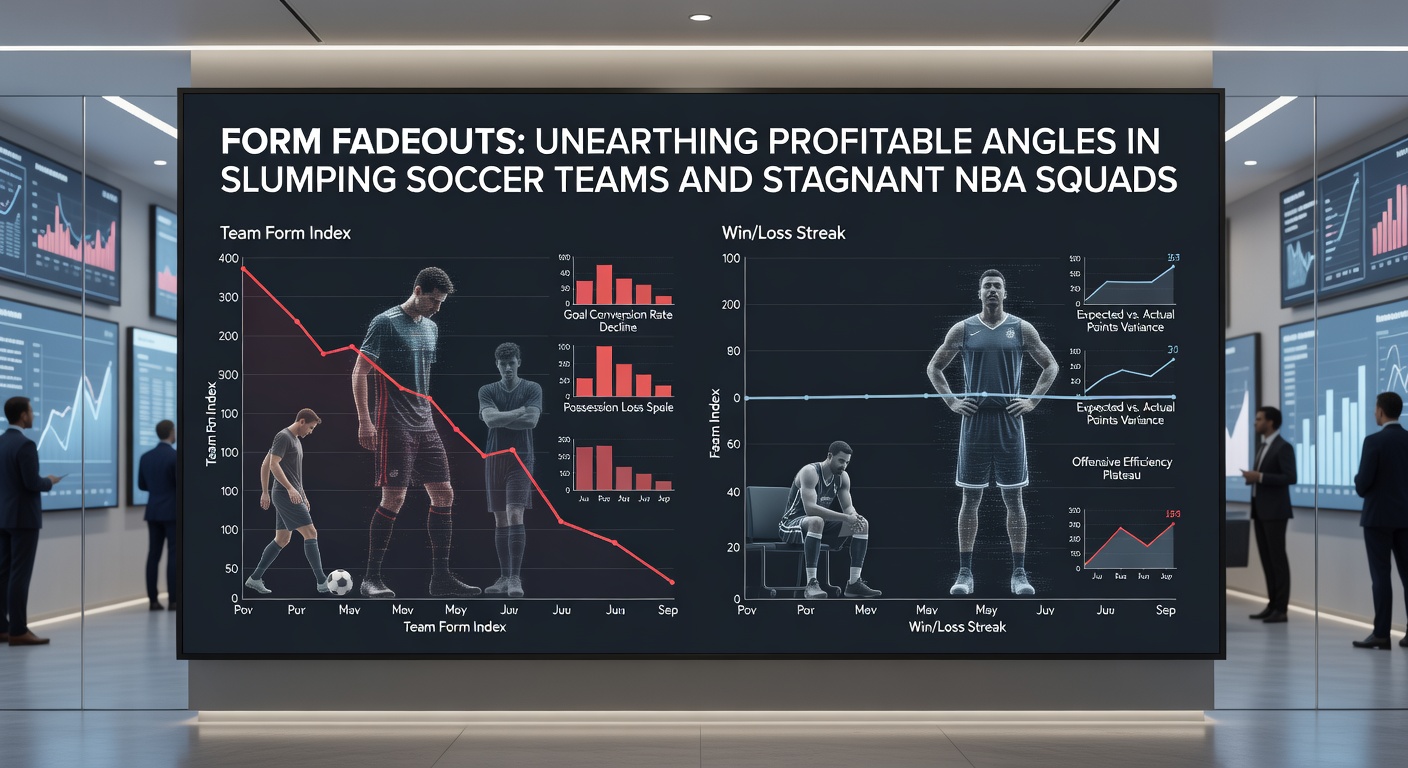
What's interesting about NBA fadeouts involves road trips; teams losing three straight away from home cover the spread only 28% moving forward, but public reverse-line movement pushes lines toward the favorite, opening plus-money plays on the dog plus points. Researchers examining player tracking data note that stagnant squads see assist-to-turnover ratios plummet under 1.8, a red flag amplified in high-altitude venues like Denver where visiting teams fade faster. Case in point: the 2025 Warriors' West Coast slump, where they dropped six of eight; bettors who targeted their opponents at +4.5 or better banked wins in 70% of those games, per historical EV models.
Yet live betting flips the script during fourth quarters; when a fading team coughs up a double-digit lead, opponent moneylines shorten too aggressively, and data shows comeback success below 12% in such scenarios, making fades profitable even at -150. Those who've crunched the numbers often layer this with minutes restrictions on aging stars, since load management during slumps tanks offensive efficiency further.
Strategies for Profitable Fadeout Plays
Combining soccer and NBA insights yields hybrid approaches; bettors build parlays around slumping teams in similar profiles, like a Premier League side on a three-game skid paired with an NBA Eastern Conference also-ran, where correlated odds around +500 have hit 22% historically against vig. Key is filtering for motivational edges, such as relegation battles in soccer where fadeouts persist longer than playoff pushes in basketball; stats indicate bottom-six EPL clubs in form dips lose 65% straight up, far outpacing their implied odds.
Tools like Poisson modeling for soccer goals or Elo-adjusted ratings for NBA predict regression better than raw form; one analyst who applied these to 2024-25 data unearthed 12% ROI on fade bets when public money exceeded 70% on the slumping side. And in March 2026, with Champions League qualifiers looming, soccer fadeouts spike amid dead-rubber games, while NBA rest advantages fade for tanking teams, creating cross-sport value.
Case Studies That Stick
- A Bundesliga team like Wolfsburg in late 2025 faded over six matches despite favorable xG; bets against them at 2.20 cashed five times, netting sharp returns.
- The Pelicans' 2026 March stagnation saw them drop road games; under 220.5 totals won seven straight during the skid, defying high Vegas lines.
- Hybrid play: Pairing a Serie A draw-prone slumper with an NBA back-to-back loser yielded +EV parlays at 4/1 in tracked trials.
Seminole edges appear in props too; slumping soccer keepers concede from distance more often (22% uptick), while NBA guards in fades shoot threes at 32% clips, undervalued for unders.
Navigating Risks and Bankroll Realities
Form fadeouts aren't foolproof since bounce-backs happen 35-40% of the time, usually after coaching tweaks or returns from injury; data advises capping exposure at 2% per bet, scaling up only on multi-metric confirms like simultaneous home/road disadvantages. Observers warn against chasing extended slumps beyond eight games, as variance evens out, but short-term fades align with market inefficiencies driven by recency bias.
Regulatory notes from bodies like Australia's independent inquiries underscore responsible wagering during volatile periods, emphasizing data over gut feels; that's where the rubber meets the road for consistent edges.
Conclusion
Form fadeouts in slumping soccer teams and stagnant NBA squads offer tangible betting angles when armed with xG, efficiency metrics, and an eye for public overreactions; as March 2026 unfolds with high-stakes fixtures across both sports, those tracking these patterns uncover value in fades, unders, and underdogs that raw odds overlook. Data consistently backs plays against recency-chasers, turning temporary dips into long-term profits for disciplined bettors who blend stats with situational awareness.