Exploring Rest Period Impacts on Outputs Across Football, Basketball, Tennis and Horse Racing for Prediction Refinement
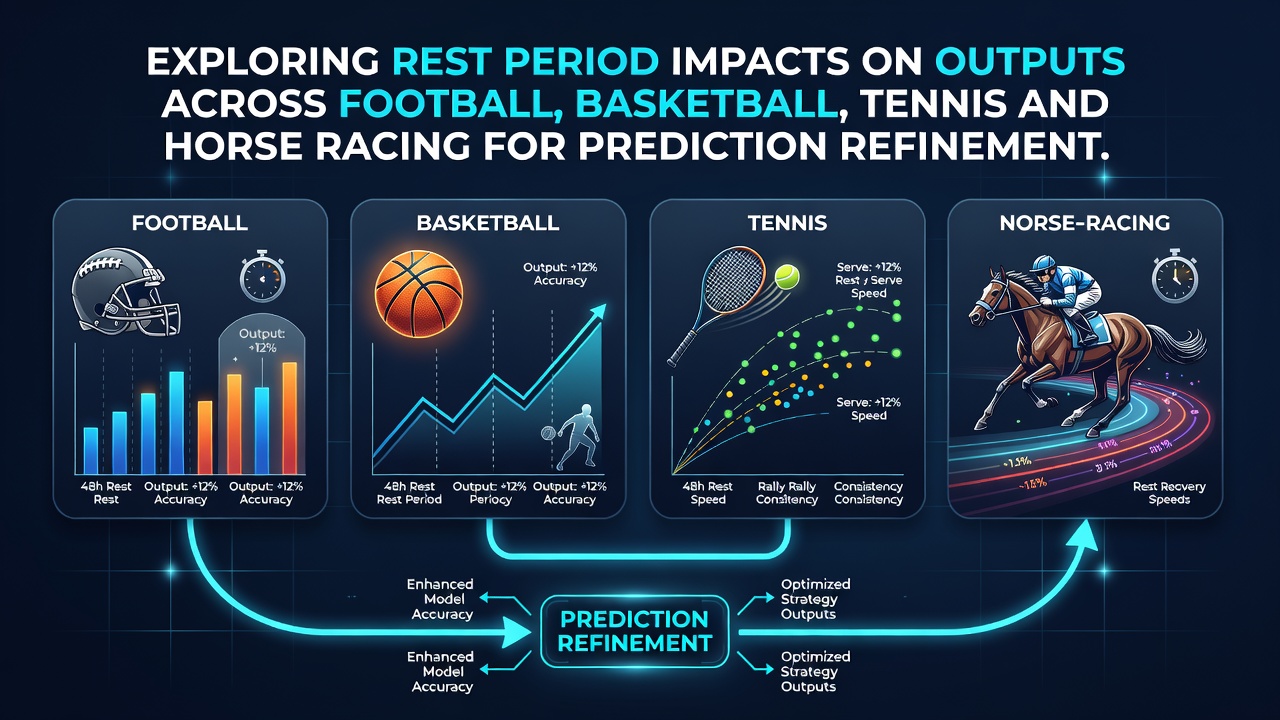
Rest periods shape performance outputs in football, basketball, tennis, and horse racing, with analysts tracking recovery windows to refine prediction models as schedules intensify through June 2026. Data from multiple leagues reveal consistent patterns where shorter recovery intervals correlate with measurable declines in key metrics such as sprint speed, shooting accuracy, and endurance thresholds, while longer breaks often align with improved consistency across repeated events.
Football Recovery Patterns and Match Outputs
Football schedules frequently compress recovery into 72-hour cycles during congested periods, and studies from European leagues show that teams with fewer than three full rest days between fixtures post lower pass completion rates and reduced distance covered at high intensity. Researchers at institutions tracking Premier League and Bundesliga data note that players logging under 90 hours between matches experience a 12 to 15 percent drop in expected goals contribution, prompting prediction systems to adjust probability weightings when fixture lists tighten. In June 2026, international tournaments add further layers, as national squads balance club fatigue with tournament demands, and analysts incorporate travel time alongside rest metrics to forecast output shifts more precisely.
Basketball Load Management and Performance Metrics
Basketball back-to-backs create distinct output variations, with NBA tracking data indicating that teams playing on zero or one rest day record lower effective field goal percentages and defensive rating declines averaging eight points per 100 possessions compared to squads with two or more recovery days. College conferences in North America apply similar monitoring through athletic department reports, where back-to-back conference games produce measurable reductions in rebounding efficiency and assist-to-turnover ratios. Prediction frameworks now integrate these rest differentials directly into player prop models, adjusting for backcourt minutes and frontcourt usage rates when schedules cluster games across short windows.
Tennis Tournament Scheduling and Player Outputs
Tennis players navigate multi-day tournaments with variable rest between matches, and ATP and WTA performance databases show that competitors granted 24 or more hours between rounds maintain higher first-serve percentages and fewer unforced errors than those returning to court within 12 hours. Grand Slam draws in particular test recovery limits during extended best-of-five sets, with surface-specific studies highlighting clay court events allowing marginally longer effective recovery compared to faster hard courts. June 2026 schedules include several European clay swing events where analysts cross-reference historical rest data against current ranking points to refine win probability estimates for later rounds.
Horse Racing Training Cycles and Race Outputs
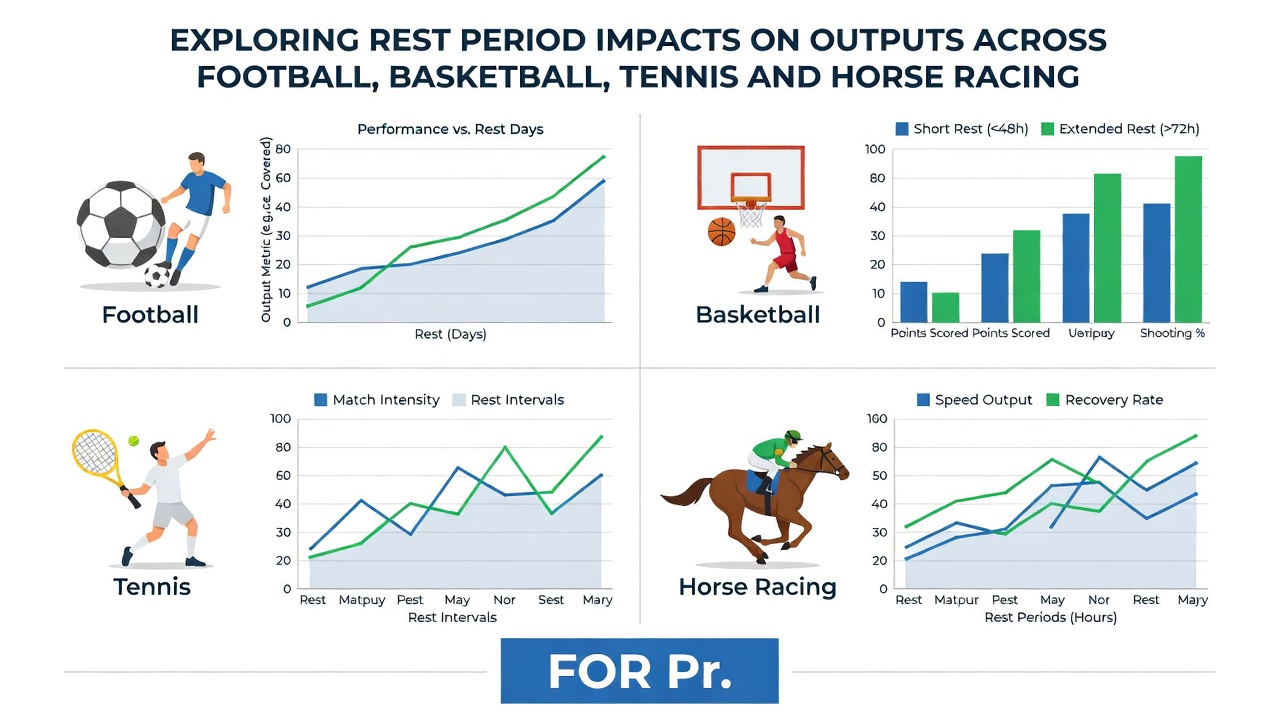
Horse racing trainers manage rest intervals between starts with precision, and industry reports from Australian and North American racing authorities indicate that thoroughbreds returning after 14 to 21 days post-race post higher win percentages and faster sectional times than those racing on shorter seven-to-ten-day cycles. Data compiled across turf and synthetic surfaces demonstrate that extended recovery windows reduce injury incidence while supporting sustained speed figures, prompting handicappers to weight recent layoff lengths alongside track conditions when building predictive algorithms. June 2026 meetings at major venues continue to test these patterns, as trainers balance horse freshness against purse opportunities in tightly spaced race cards.
Cross-Sport Data Integration for Refined Models
Analysts increasingly combine rest metrics across disciplines by normalizing recovery windows against sport-specific demands, with frameworks drawing on longitudinal datasets that compare football fixture congestion effects against basketball back-to-back impacts and tennis match turnaround times. Horse racing layoff statistics add another dimension, allowing models to account for biological recovery differences between equine and human athletes. Organizations such as the Australian Institute of Sport publish comparative recovery research that informs these multi-sport approaches, while NCAA injury surveillance systems supply parallel basketball and football recovery benchmarks used to calibrate output forecasts. Prediction refinement benefits when models treat rest as a continuous variable rather than a binary input, capturing gradual performance rebounds that emerge beyond simple day-count thresholds.
Conclusion
Rest period analysis across football, basketball, tennis, and horse racing supplies measurable inputs that sharpen output predictions when integrated into statistical frameworks. League tracking programs and academic datasets continue to expand the available variables, supporting more granular adjustments as calendars progress through 2026 and beyond.