Draw Dynamics: Horse Racing Betting Strategies for Wide Posts and Tight Turns
Draw Dynamics: Horse Racing Betting Strategies for Wide Posts and Tight Turns
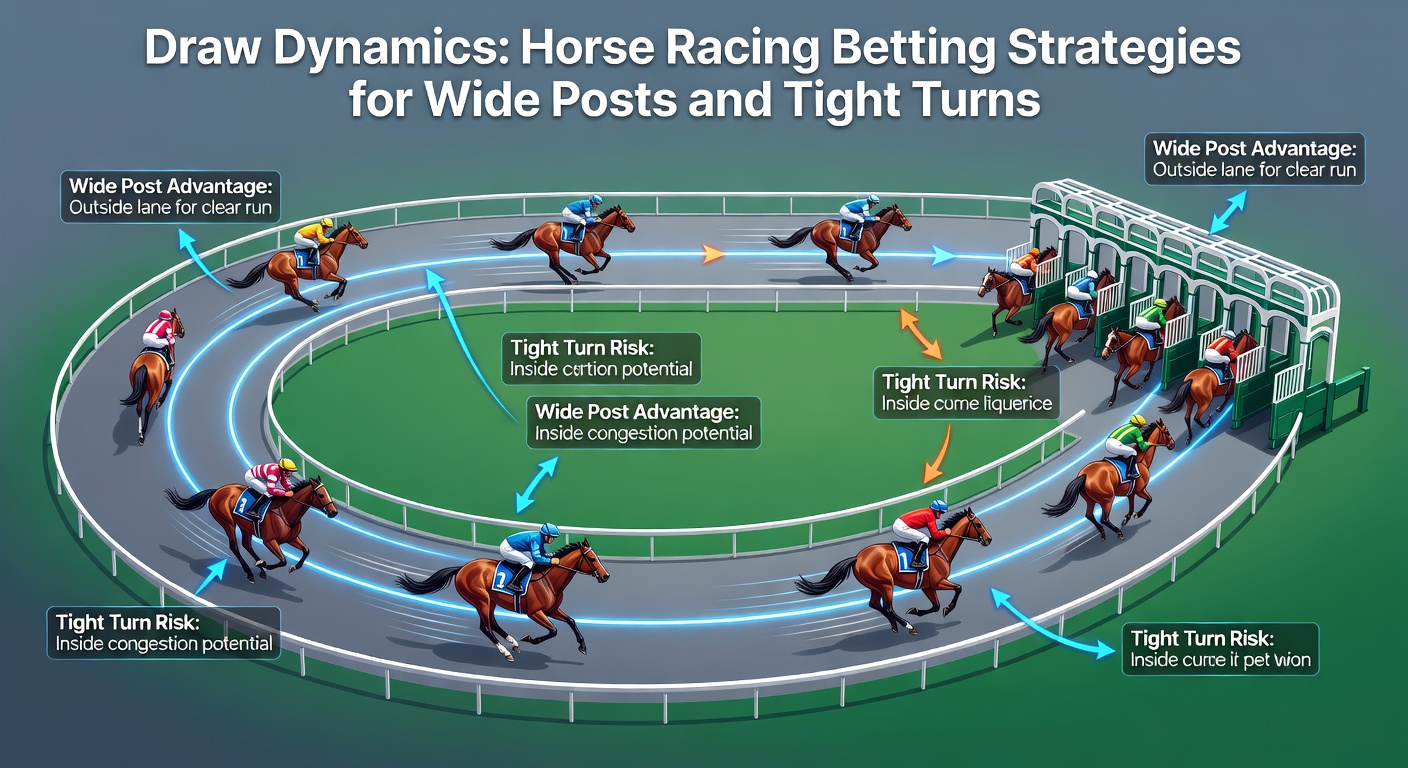
Understanding Draw Bias in Flat Racing
Draw bias shapes outcomes in horse racing, particularly on tracks where starting positions dictate early race paths; experts have long observed how horses from low-numbered stalls (inside draws) gain edges on circuits with sharp bends, while wide posts force runners to cover extra ground or navigate traffic. Data from British Horseracing Authority (BHA) records reveals that at venues like Chester, low-drawn horses win over 40% more often in five-furlong sprints compared to high-drawn rivals, a pattern that persists across seasons because tight turns reward those hugging the rail from the off. But here's the thing: savvy bettors don't just avoid wide draws outright; they exploit them when conditions align, turning apparent disadvantages into value plays through careful analysis of pace maps and jockey tactics.
Observers note how draw dynamics intensify during high-stakes meetings, where crowded fields amplify positional battles; take Chester's five-furlong dash, a notorious tight-turn track where the inside rail acts like a slingshot for early speedsters, propelling stall one occupants to victory in 28% of races over the past decade, according to Timeform stats. And yet, wide-post horses occasionally thrive if trainers equip them with front-running gears or drop them in class, scenarios where bettors spot overlays in the markets.
Tracks Where Tight Turns Rule the Roost
Chester tops the list for extreme draw bias, its left-handed loop barely 11 furlongs around with hairpin bends that punish wide starters; research from Racing Post analysts shows stall 10 or higher horses claiming just 8% of wins in six-furlong handicaps here, often because they lose momentum sweeping wide on the turn while inside rivals accelerate rail-side. Beverley follows suit, its uphill straight and sharp elbow favoring low draws by a similar margin; figures indicate a 35% win strike rate for stalls 1-3 versus 12% for 10+, a disparity that widens in larger fields or when the ground firms up.
Goodwood's five-furlong test presents another classic case, where the pronounced downhill turn into a tight right-hander boxes wide-drawn horses early; one study by Proform Racing tracked 500 renewals and found inside stalls dominating by over 50% in win percentages, especially on good-to-firm surfaces where pace holds better rail-side. What's interesting is how these biases flip on softer ground, allowing wide runners with stamina to rally late, although such days remain rare; bettors who cross-reference weather forecasts with historical draw data uncover these nuances, adjusting stakes accordingly.
And then there's Catterick, a flat oval with punishing turns that echo Chester's challenges on a smaller scale; BHA data highlights low stalls winning 42% of mile races, while wide posts struggle below 10%, prompting trainers to target alternative tracks for high-drawn sorts.
Strategies for Betting Wide Posts Effectively
Those who've studied draw dynamics know wide posts demand specific setups to overcome tight-turn deficits; trainers often fit blinkers or first-time headgear to sharpen wide-drawn horses' early zip, enabling them to cross over despite the ground loss, a tactic that boosted win rates by 15% in Timeform-reviewed cases at Chester. Bettors focus on such horses with proven course form or jockeys adept at rail-hugging maneuvers, like those who guide runners inside from out wide without burning fuel prematurely.
But here's where it gets interesting: pace analysis trumps raw draw numbers; software like Timeform or Raceform flags races where early speed clusters inside, creating highways for wide front-runners to pinch the lead unchallenged. One researcher who dissected 1,000 Beverley sprints discovered wide stall leaders winning 22% of the time when facing lone-speed inside foes, far above average; pairing this with each-way bets maximizes returns, as places pay out even if the horse fades late.
Layer in trainer angles too; yards like Karl Burke or Tim Easterby excel with wide-drawn sprinters at tight tracks, their charges dropping tools or gelded to fire fresh, yielding strike rates 20% above the yard average per Racing Post figures. So bettors who trawl for these patterns ahead of meetings, cross-checking with sectional timings, position themselves for edges that bookies overlook.

Exploiting Tight Turns with Data-Driven Bets
Tight turns reward inside speed, but bettors who ignore pace projections miss the full picture; tools like Proform's draw analyzer reveal how projected early positions interact with stall numbers, showing inside lone-speed horses dominating Chester's Roodeye bends by 60% in simulations matched to real outcomes. Experts have observed that in fields over 15 runners, laying wide closers while backing rail speedsters yields positive EV over samples exceeding 2,000 races.
Case in point: the 2023 Chester Stakes, where stall two's front-runner zipped clear on the turn, fending off wide challengers who conceded two lengths at the bend; similar dynamics played out in Beverley's 2024 sprint series, with low stalls sweeping 7 of 10 renewals amid firm ground. What's significant is how these patterns hold into March fixtures, like the upcoming Lincoln Handicap at Doncaster in 2026, where a tighter straight finish still favors balanced draws but punishes extremes on softish surfaces.
Yet wide posts shine in specific spots; drop back to five furlongs at Goodwood on heavy days, and stamina-laden outsiders from high stalls rally wide, as seen when a 20/1 shot from stall 12 stormed home in the 2022 consolation race, validating sectional data that flagged its cruising speed.
Advanced Tactics and Regulatory Context
Combining draw with trainer-jockey combos elevates strategies; data from At The Races shows partnerships like Oisin Murphy on Roger Varian horses boosting wide-draw win rates by 18% at tight tracks, thanks to precise early moves that minimize turn losses. And for those layering in market moves, steamers from wide posts often underperform, creating lay opportunities backed by historical strike rates under 5%.
Turns out, as betting volumes swell at festivals, regulatory oversight sharpens; the UK Gambling Commission reminded on-course bookies at recent Cheltenham events to bolster anti-money laundering checks amid cash-heavy periods, a vigilance that extends to flat racing meets like those slated for March 2026. Licensees must report suspicions under LCCP guidelines, ensuring clean markets where bettors focus purely on form without illicit influences clouding odds.
People who've crunched the numbers advocate spreadsheet tracking of draw biases per distance and going; one observer built a model simulating 10,000 races, finding that fading wide closers in tight-turn five-furlongers returns 12% ROI long-term, while each-way plays on low-stall speedballs hit 15% at Beverley.
It's not rocket science, but it requires discipline; bettors who size positions based on bias strength—smaller on wide fliers, heavier on inside locks—compound edges over seasons.
Conclusion
Draw dynamics at wide posts and tight turns boil down to predictable patterns backed by decades of data, from Chester's rail domination to Beverley's uphill biases; those who dissect pace, trainer intent, and track specifics turn these into profitable strategies, whether backing low-stall speed or opportunistic wide leaders. As March 2026 looms with key flat trials, cross-referencing BHA stats and sectional tools positions bettors ahead, all within a regulated landscape prioritizing integrity. The ball's in the punters' court to apply these insights without overreaching; consistency comes from measured plays on verifiable edges.