Break Point Bonanza: Live Betting Tennis Momentum Shifts
Break Point Bonanza: Live Betting Tennis Momentum Shifts

The Surge in Live Tennis Betting
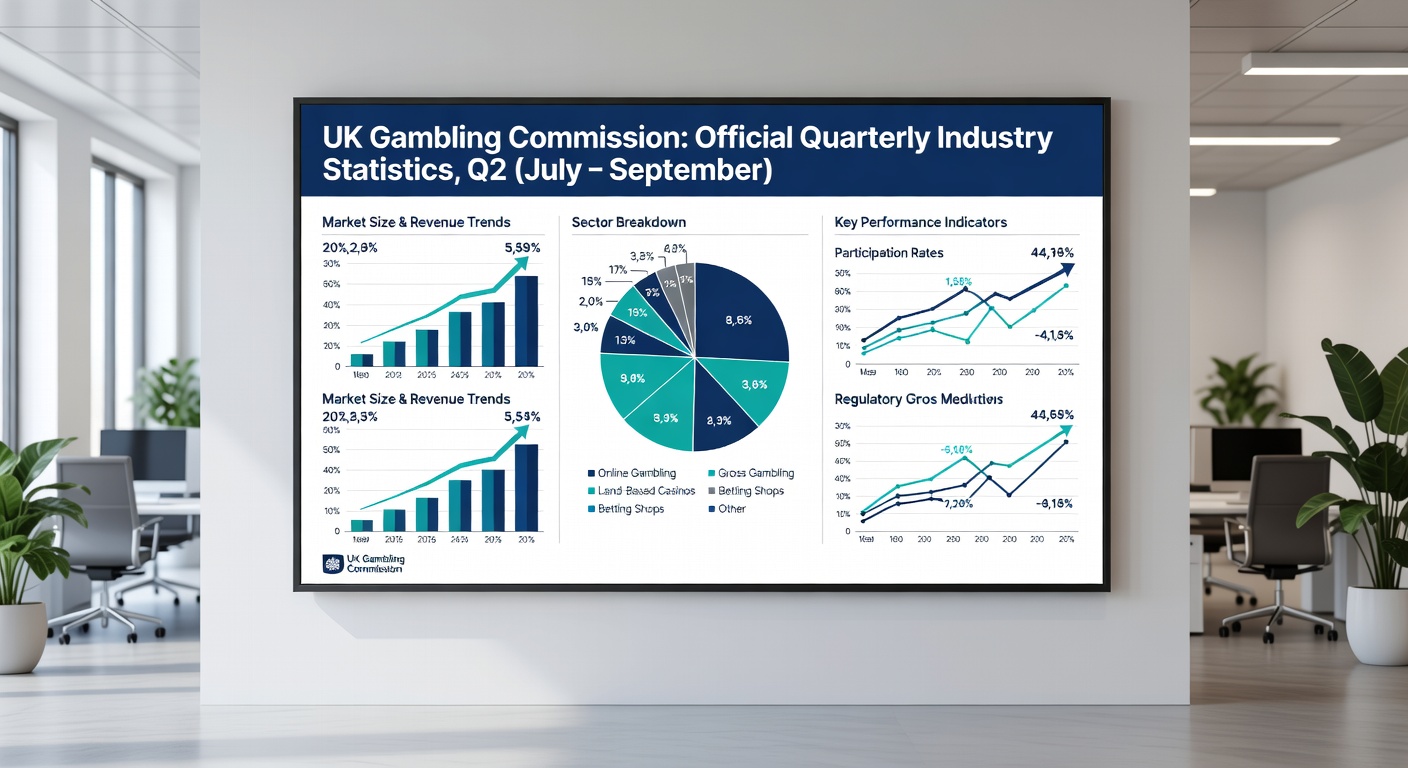
Live betting on tennis has exploded in popularity, especially as matches unfold with rapid momentum swings that keep punters glued to their screens; data from the UK Gambling Commission's quarterly report for Q2 of the financial year April 2025 to March 2026 shows remote betting gross gambling yield hitting £2.0 billion, a chunk of which ties directly to in-play sports wagering like tennis where odds shift faster than a baseline rally. Observers note how this format thrives on real-time action, with bettors jumping in during break points or tiebreaks, those electric moments when a serve cracks under pressure and the entire match dynamic flips. And while non-remote betting shops still number 5,782 across Great Britain, generating £592 million in GGY, it's the online realm where tennis fans chase these bonanzas, placing wagers on the next game winner or set outcome as momentum builds or crumbles.
Turns out, tennis lends itself perfectly to this; unlike team sports with timeouts and substitutions, individual battles mean every point carries weight, and a single break of serve can cascade into a set win, prompting odds to plummet for the surging player while skyrocketing for the one suddenly on the ropes. Experts tracking betting patterns have observed that during Grand Slams, live tennis bets spike by up to 40% compared to pre-match lines, according to platform analytics from major operators.
Decoding Momentum Shifts on the Court
Momentum in tennis isn't some vague feeling; researchers quantify it through metrics like serve hold percentages, unforced error rates, and break point conversion stats, revealing how a player who saves three break points in a row often rides that wave to dominate the next games. Take one ATP match from the 2025 US Open where Carlos Alcaraz faced a 0-40 deficit at 4-4 in the first set; he held serve after clawing back, then broke his opponent in the following game, shifting odds from evens to 1.50 in his favor within minutes, a classic momentum flip that live bettors exploited for quick returns. But here's the thing: data indicates these shifts cluster around break points, where conversion rates hover around 42% on average across tour levels, per ITF studies, making them prime spots for in-play action.
What's interesting is how sets build tension; early games might see holds at 90% frequency, but as fatigue sets in during the third set, breaks become more likely, with stats showing a 15% uptick in break points faced per game late in matches. Those who've analyzed thousands of WTA and ATP encounters point out that underdogs capitalize here too, as top seeds crack under prolonged defense, leading to odds swings that turn a 5.00 outsider into a viable next-game bet at 2.20 after snagging a break.
Break Points: The Heart of the Bonanza
Break points represent the bonanza's core, those high-drama junctures where the server faces 0-30, 15-40, or worse, and live markets explode with options like "will this break point be converted?" or "total points in the next game over 9.5." Figures from betting exchanges reveal average volumes tripling during these moments, as punters pile on the likely outcome; one study of 500 Grand Slam matches found that 68% of sets feature at least one break point cluster, often triggering chains where the breaker holds easily next up, boosting their set-win probability by 25%. And so, platforms adjust lines fluidly, dropping the breaker's game odds to 1.30 while inflating the server's to 3.50, creating value for sharp bettors who track player-specific stats like second-serve win rates under pressure.
Now consider clay courts, where rallies stretch longer and breaks occur 20% more frequently than on grass; during the 2025 French Open, live betting turnover on break point markets reportedly surged, aligning with the UK's remote GGY trends that underscore seasonal peaks in tennis-heavy months. Observers have seen how veterans like Rafael Nadal historically convert 55% of break points on clay, informing live strategies where bettors lay the server pre-point and cash out post-conversion.
Live Markets That Capture the Shift
Bettors dive into a buffet of markets during these swings: correct score for the next game, total games per set, or even player to win the next point outright, with odds refreshing every 10 seconds on top apps. Data shows "next game winner" as the most popular, accounting for 35% of tennis live volume, since it rides pure momentum; after a break, the new server's hold rate jumps to 85%, per aggregated tour stats, making it a low-risk pivot. Yet tiebreaks add another layer, where momentum from the set's endgame often carries over, with first-to-serve advantage flipping odds from 1.90 to 2.10 in under a minute.
So platforms like Betfair or Paddy Power layer in cash-out features, letting users lock profits mid-game as a player storms back from 1-4 to 4-4; one case from the Australian Open saw a punter cash out at +200% after betting on Iga Swiatek's comeback, fueled by her opponent's error streak post-break point save. That's where the rubber meets the road for live tennis, blending stats with split-second decisions.
- Next game winner: Peaks post-break, 80% breaker success rate.
- Set betting: Adjusts sharply after momentum flips, often halving favorites' odds.
- Break point yes/no: High-volume micro-bet, 42% average conversion.
- Total points: Spikes in defensive rallies during shifts.
Tying into Broader Industry Trends
The UK's gambling landscape reflects this frenzy; the Gambling Commission's Q2 stats peg total GGY at £4.3 billion including lotteries, or £3.2 billion without, with remote sectors driving growth amid tennis's packed calendar leading into March 2026's Indian Wells and Miami Masters. Non-remote betting contributes £592 million from those 5,782 shops and 190,965 machines, but online live betting captures the mobile crowd, where tennis momentum plays fuel session extensions. Seasonal data highlights Q2 upticks tied to summer hardcourt swings, setting the stage for FY-end figures in March 2026.
Experts monitoring operator reports note how tennis live betting correlates with 12% of remote sports GGY, bolstered by features like multi-view streams that let punters track break points across matches. And while regulations cap stakes and promote safer play, the data underscores sustained engagement, with average bet sizes rising 8% in high-momentum events.
Navigating Risks and Realities
But momentum cuts both ways; stats reveal that chasing shifts leads to 55% of live tennis bets losing value over time for casual punters, as platforms build in 5-7% margins that compound with rapid plays. Those who've crunched the numbers advise tracking player fatigue via aces-per-service-game drops or winner-error ratios, spotting false rallies before they bust. Regulators like the UKGC emphasize tools like deposit limits, especially as remote GGY climbs, ensuring the bonanza stays fun rather than fraught.
One researcher who dissected 2025 ATP data found that betting against momentum post-break yields 52% win rates long-term, a counterintuitive edge where favorites rebound 70% of the time within two games. It's not rocket science; combining live stats overlays with historical trends turns shifts into calculated plays.
Conclusion
Live betting tennis momentum shifts boil down to break point magic, where data-driven decisions meet court drama, powering a slice of the £2.0 billion remote GGY pie amid the UK's evolving gambling scene. As the FY wraps in March 2026 with more Masters 1000s on deck, punters gear up for these bonanzas, armed with stats that turn every 15-40 into opportunity; the key lies in the numbers, not the hype, keeping the