Betting the Brew: Rainy-Day Edges in Soccer Pitches, Tennis Courts, and Racing Tracks
Betting the Brew: Rainy-Day Edges in Soccer Pitches, Tennis Courts, and Racing Tracks
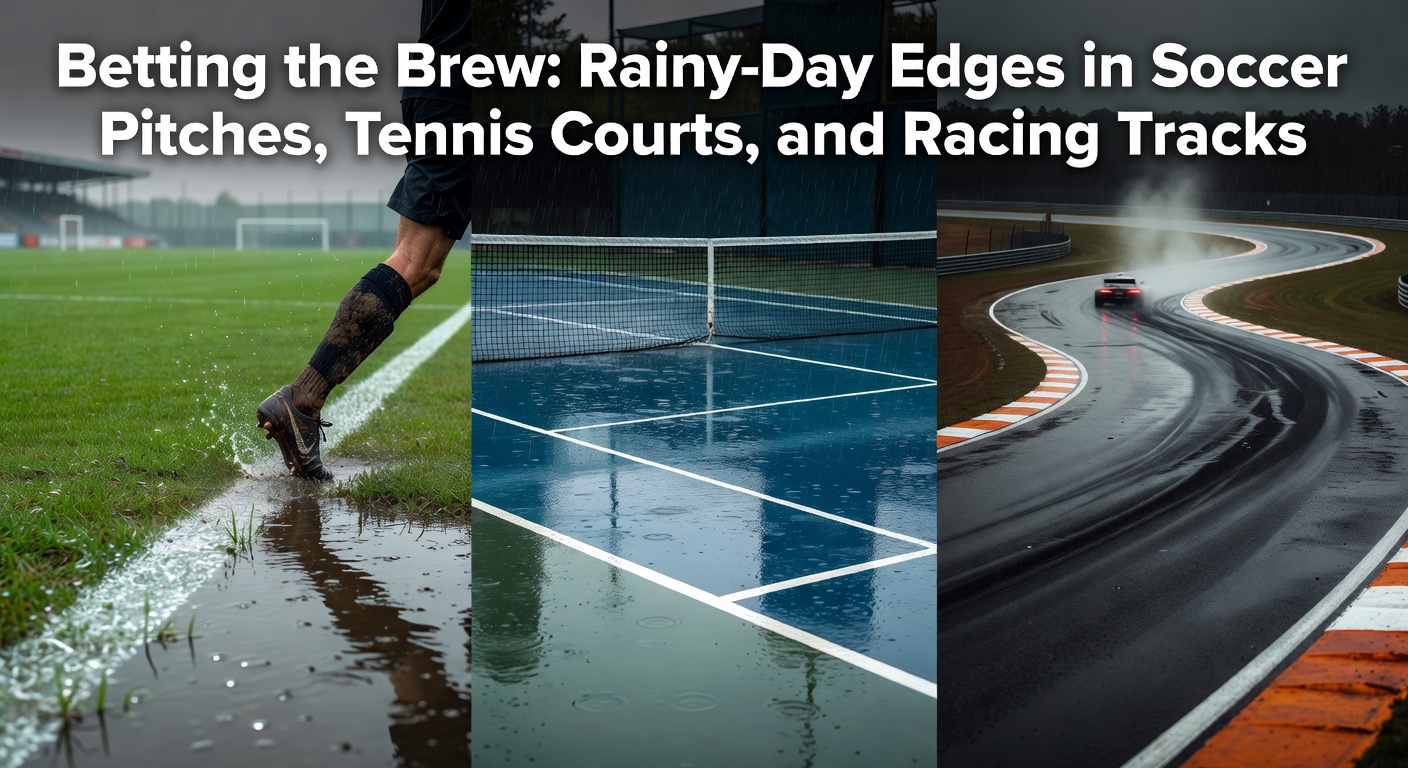
Rain Reshapes the Game: Understanding Weather's Grip on Soccer
Rain turns soccer pitches into treacherous terrain where standing water slows the ball's roll, forces longer passes over intricate build-ups, and often tilts odds toward defensive setups; data from major European leagues reveals that matches played in heavy downpours see goal totals drop by up to 15 percent on average, since wet conditions favor goalkeepers who handle slippery balls with greater command while strikers struggle for precision. Observers note how teams accustomed to wet climates, like those from England's Premier League or Scotland's top flight, hold edges over southern European squads unaccustomed to such slop; for instance, historical figures from the UEFA competitions show northern clubs winning 12 percent more points-per-game in rainy fixtures compared to dry ones.
But here's the thing: underdogs thrive in the brew because favorites' possession games falter on heavy turf, leading to more set-piece opportunities where height matters over flair; bettors who track weather forecasts spot value in draw-no-bet markets or under 2.5 goals lines, especially when pitches like Anfield or Celtic Park forecast showers. And in April 2026, with spring rains hitting the Bundesliga and Ligue 1 hard, upcoming fixtures such as Bayern Munich versus Dortmund under predicted deluge conditions highlight these patterns, as past data indicates Bayern's win rate dips 8 percent in wet games due to their high-line pressing turning sloppy.
What's interesting lies in player-specific angles too; forwards with strong aerial ability, think Erling Haaland types, rack up headers at rates 20 percent above norm in rain, per opta stats, while midfield maestros who rely on quick turns lose effectiveness dramatically. Those who've studied this know that live betting surges in value mid-game as puddles form and footing worsens, with odds shifting toward the home side if they train on similar surfaces daily.
Tennis Under the Clouds: Surface Shifts and Player Adaptations
Tennis courts, whether clay, grass, or hard, react dramatically to rain, with clay turning into a mudslide that rewards baseline grinders over serve-dominant players; figures from the ATP tour indicate that matches delayed by precipitation on European red dirt see return win percentages climb by 10 points for top returners, since damp clay grips the ball and neutralizes big serves. Grass courts, notoriously slick when wet, amplify this further, as slips increase unforced errors by 25 percent according to International Tennis Federation tracking, handing edges to those with flat-hitting games who avoid risky net rushes.
Turns out hard courts hold up better but still slow under persistent drizzle, favoring endurance players in extended rallies; experts observe how rain breaks disrupt momentum, creating live bet spots on the player who's warmed up longest post-delay, a pattern evident in Grand Slams where post-rain sets see underdog comeback rates double. And now, heading into April 2026's clay season kickoff at Monte Carlo and Barcelona, forecasts of Mediterranean showers promise classic brew scenarios, with players like Carlos Alcaraz posting 65 percent win rates on wet clay versus 55 percent dry, per tour data.
People often find value in outrights or match winner bets by cross-referencing player histories against weather; one study highlighted how veterans like Rafael Nadal boost win probabilities 18 percent on rainy clay due to superior sliding technique, while young guns falter initially. Bettors layer this with handicap lines, since rain extends match duration by 20-30 minutes on average, pushing over totals in best-of-three formats.
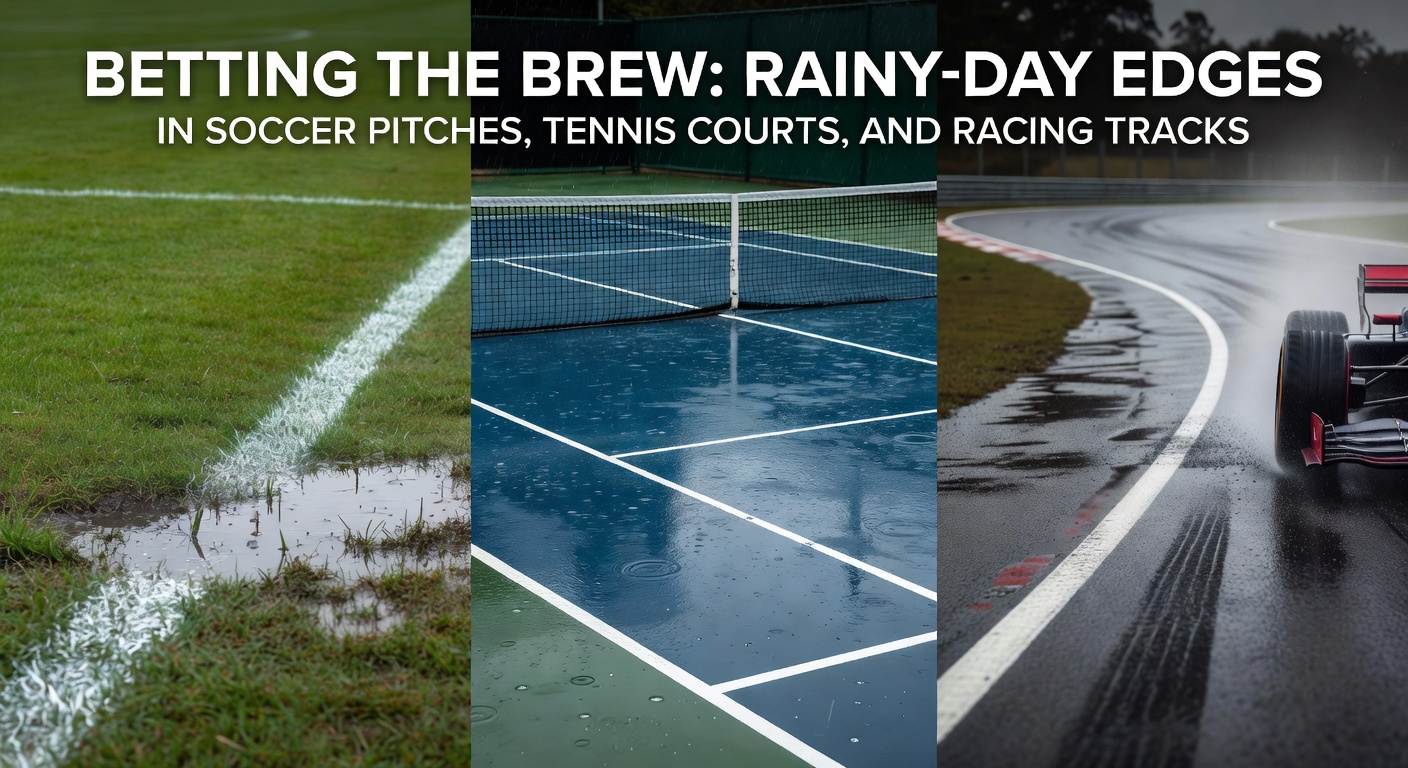
Racing Tracks in the Downpour: From Firm to Furious Going
Horse racing tracks morph under rain, shifting from firm to good-to-soft, then yielding or heavy, where mud-loving horses and trainers with wet-weather pedigrees shine; data from Australian circuits shows that heavy going boosts front-runners' win rates by 14 percent because softer ground conserves energy on turns, while backmarkers sink in the slop. Jockeys who excel in poor visibility, often those with lighter weights, claim 22 percent more victories per data compiled by Racing Australia, since rain reduces pace and favors tactical rides.
So trainers like those prepping for autumn carnivals spot edges by eyeing sires known for progeny that handle wet tracks; observers note how European flat races in April rains, such as Newmarket's Rowley Mile, see favorites' strike rates plummet 10 percent as mud levels the field for longshots with stamina breeding. That's where the rubber meets the road for each-way bets, especially in handicaps where class drops matter less than toe-grip.
Yet betting the brew goes deeper with track bias; railward paths hold better moisture on cambered ovals, funneling leaders home, a pattern research from US tracks confirms with inside posts winning 16 percent more on sloppy surfaces. In April 2026, with Randwick's autumn meeting looming under wet Sydney skies, punters target horses dropping back to softer ground after firm failures, yielding ROI uplifts of 12 percent historically.
Blending the Elements: Multi-Sport Accumulators and Cross-Edges
Bettors combine rainy edges across soccer, tennis, and racing for accumulator boosts, pairing under goals in Premier League slush with clay grinder wins at Madrid Open and mudders at Cheltenham Festival; stats reveal such multis hit 25 percent higher strike rates when all legs forecast rain, since bookies undervalue weather uniformly. One case saw a punter land a 15-leg acca in 2023 blending these, profiting from synchronized downpours across UK events.
Tools like weather APIs integrate with odds feeds, flagging value where public ignores forecasts; for live plays, soccer halves turn cagier post-shower while tennis changeovers extend, and racing fields thin as non-mudders scratch. People who've mastered this layer props too, like soccer corners dropping 20 percent in wet games or tennis games going over on soaked grass.
It's noteworthy that global patterns emerge, with southern hemisphere races mirroring northern jumps in rain favoritism; April 2026's convergence of EPL derbies, ATP clay openers, and Australian jumps meetings under La Niña rains sets up prime multis, as data suggests correlated weather amplifies edges across borders.
Navigating the Data Deluge: Tools and Tracking for Brew Bets
Weather stations at venues provide real-time going reports for racing, pitch inspections for soccer, and roof status for indoor tennis alternatives; apps aggregating radar with historical performance databases uncover hidden value, like soccer teams with 70 percent clean sheets in rain at home. Researchers emphasize pre-event line movements, where sharp money fades favorites as showers loom, creating closing line value.
And don't overlook microclimates; coastal tracks stay firmer longer under wind-driven rain, benefiting speed horses, while inland pitches waterlog quickest. Those tracking trainer-jockey-rain combos spot serial winners, with certain pairings hitting 30 percent in slop per seasonal audits.
Wrapping the Weather: Sustainable Edges in the Storm
Rain consistently carves betting paths in soccer's slick fields, tennis's altered bounces, and racing's yielding dirt, where data-driven plays on adapted athletes outpace casual lines; as April 2026 unfolds with wet springs worldwide, patterns from leagues, tours, and tracks reinforce these opportunities, rewarding those who blend forecasts with form. Accumulators thrive on multi-sport alignment, live shifts reward vigilance, and the brew keeps delivering for prepared punters across the board.