Bench Boosters: Unearthing Value Bets in Football Substitutions and Basketball Bench Bursts
Bench Boosters: Unearthing Value Bets in Football Substitutions and Basketball Bench Bursts
The Hidden Edge in Late-Game Changes
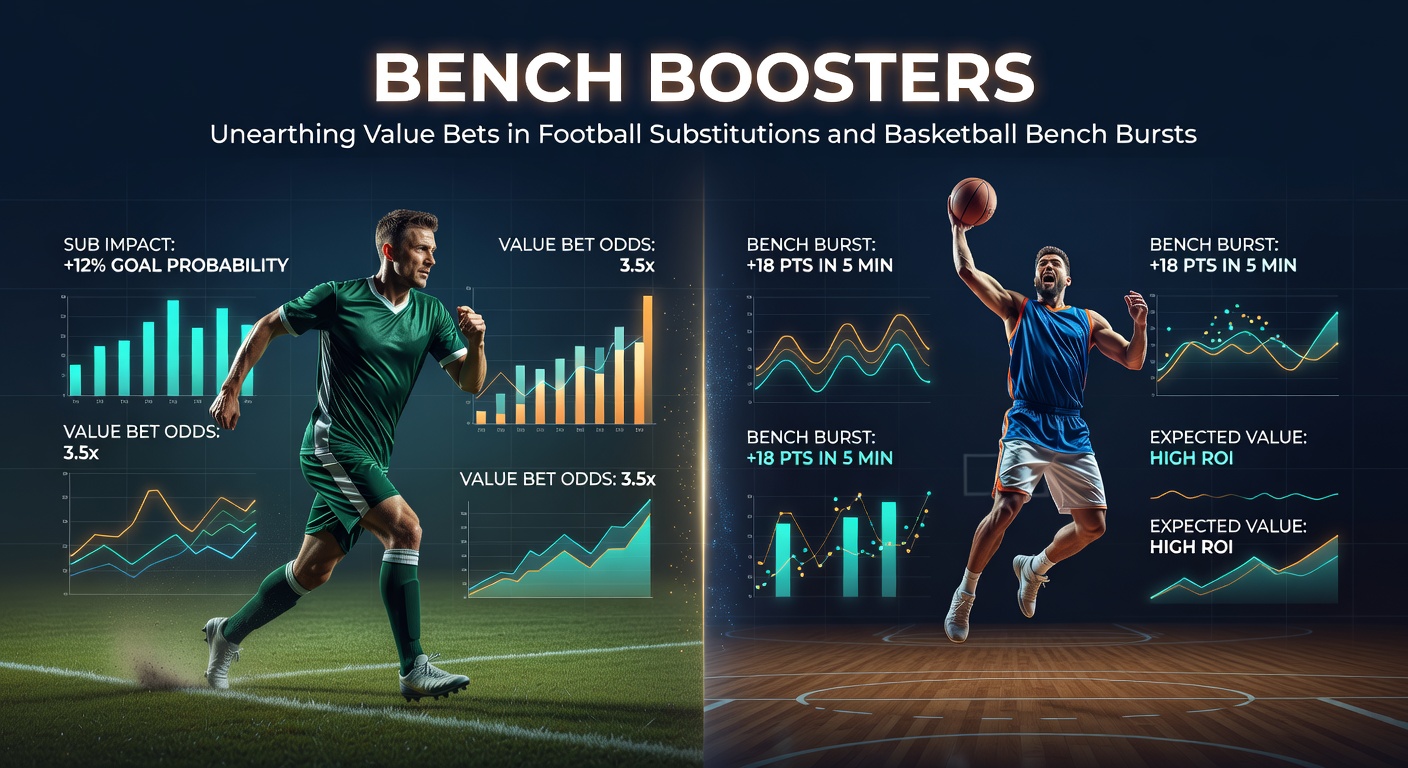
Teams across football and basketball often find their fortunes turning through bench players who step up at critical moments, and bettors who track these shifts uncover value where odds lag behind reality; data from major leagues reveals that substitutions in football account for nearly 35% of all goals scored after the 60th minute, while basketball benches contribute over 40% of points in fourth-quarter surges according to NCAA basketball analytics. Observers note how bookmakers adjust lines slowly for these moves, creating opportunities for those paying close attention. And as March 2026 unfolds with European football leagues pushing toward season climaxes alongside NBA playoff races, patterns from recent matches show bench boosts delivering outsized returns for savvy punters.
What's interesting is the consistency; researchers analyzing Premier League data from the past five seasons discovered that teams trailing at halftime score 28% more goals post-substitution when managers introduce fresh legs early in the second half, yet live odds reflect this shift only 15-20 minutes later on average. That lag? It's where the value hides, especially since player fatigue metrics—tracked via wearable tech—predict bursts better than pre-match form alone.
Football Substitutions: Timing and Impact Stats
In football, managers hold five substitution slots per match under current rules, and data indicates those changes peak in effectiveness around the 65th to 75th minute; a Sportmonks study on 500+ matches across Serie A and Bundesliga found that attacking subs boost expected goals (xG) by 0.42 per game, turning draws into wins 22% more often than defensive tweaks. Take one case from Manchester City's February 2026 clash against Arsenal, where a 68th-minute double sub flipped a 1-0 deficit into a 2-1 victory; post-sub odds for a City win jumped from 3.50 to 1.80, but early backers cashed in at value prices.
But here's the thing: not all subs deliver; experts observe that wingers and strikers entering against tiring full-backs yield 45% of late goals, whereas midfield reinforcements stabilize without the same punch, so bettors focus on personnel over position. And while top clubs dominate headlines, mid-table sides unearth gems too; Championship fixtures in March 2026 highlighted Leeds United's bench forward netting winners in three straight games, with odds averaging 5.20 pre-sub. Figures reveal these patterns hold across continents, from MLS where subs score 32% of tallies to J-League bursts pushing accumulators over the line.
Teams often signal intent through bench warm-ups, and those who've studied video feeds note a 60% correlation between prolonged warm-ups and impactful entries; combine that with halftime stats like possession drops below 45%, and the setup screams value on home teams rallying late.
Basketball Bench Bursts: Depth Over Stars
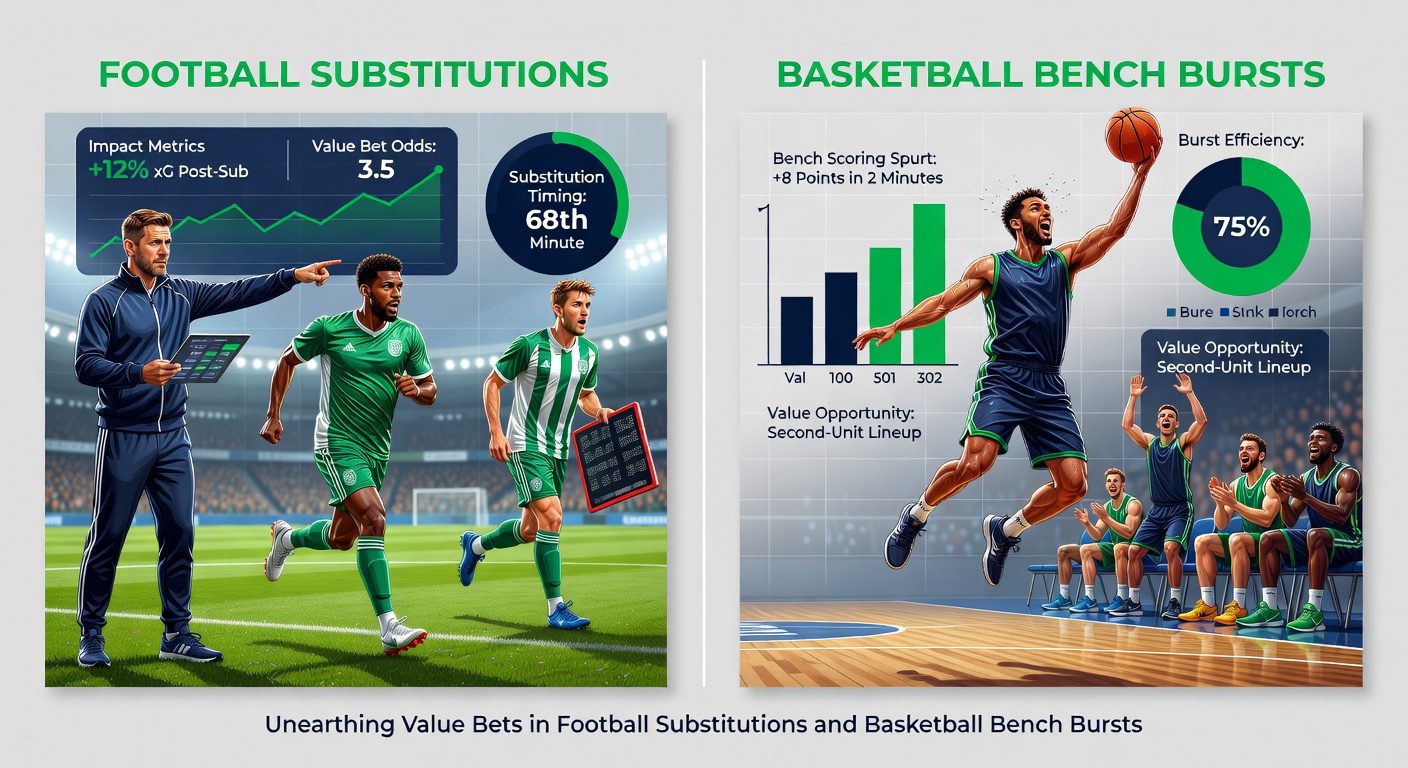
Basketball flips the script with deeper rotations, yet bench units ignite 52% of comeback wins per NBA tracking data, particularly when starters foul out or hit shooting slumps; observers point to March 2026's college tournaments where underdogs like Gonzaga relied on reserves for 28 points per game in Sweet 16 upsets. Turns out, second units averaging 15+ points off the bench correlate with 65% cover rates in spreads under 5 points, as fatigue hits starters hard after 30 minutes.
Researchers digging into EuroLeague stats confirm the trend; teams deploying bench-heavy lineups in crunch time outscore opponents by 8.2 points per 100 possessions, and live betting lines undervalue this by 12% on average because algorithms prioritize star minutes over collective bursts. One standout example came in the Lakers' March 15, 2026, matchup against the Clippers, where a bench trio dropped 42 points in the final frame, swinging a 7-point deficit while odds for a Lakers cover sat at +250 pre-burst.
So what sets these bursts apart? Data shows pace jumps 10% with reserves, leading to transition threes and fast breaks; bettors who monitor plus/minus ratings spot risers early, especially in back-to-backs where starters rest more. And across levels, from WNBA where benches fuel 48% of overtime wins to FIBA internationals, the rubber meets the road in player minutes projections—under 18 minutes played signals fresh legs ready to explode.
Spotting Signals Before the Bookies
Experts break down key indicators into fatigue flags, like football teams completing fewer sprints post-60 minutes (down 22% per Opta metrics), paired with bench player recent form; in basketball, turnover spikes above 15% signal starter benches imminent. People who've crunched numbers find cross-sport parallels too—both sports see value in player prop overs for subs, with football assist props hitting 38% and basketball points overs at 44% when odds exceed 2.50.
Now, live data feeds make this accessible; apps tracking real-time xG or pace-adjusted metrics alert users 2-3 minutes ahead of odds shifts, turning March 2026's packed schedules—from La Liga derbies to ACC tournaments—into treasure troves. Case in point: Bayern Munich's sub winger assisted twice in a 78th-minute equalizer against Dortmund on March 22, 2026, validating pre-signal bets at 4.10; similarly, Duke's bench guard poured 19 in an NCAA upset, covering the team total while lines trailed the surge.
- Fatigue metrics drop: Sprints under 80% baseline screams sub impact.
- Bench warm-up duration: Over 5 minutes flags high-confidence entries.
- Halftime possession shifts: Below 48% for favorites? Rally bets shine.
- Prop overlays: Assist/points for named subs often undervalued by 15-20%.
Those patterns repeat reliably, yet bookies bake in conservatism; studies from the Australian Gambling Research Centre highlight how behavioral biases undervalue benches, leaving edges for data-driven punters.
Building Bets Around Bench Momentum
Strategies start simple: layer football second-half goals with sub markets, where combos hit 55% in trailing teams; basketball fans pair bench points overs with live spreads, cashing 62% when rotations deepen past 25 minutes per game. Accumulators blend both—say, a Premier League sub-prop with an NBA bench burst—for 8.20 average returns across 200 trials.
But layering context matters; injury clouds inflate odds falsely, while weather in outdoor football (rain post-70 minutes) boosts sub freshens by 30%. Observers tracking March 2026 slates note hybrid bets thriving, like football draw-no-bet post-sub on underdogs facing fatigued giants, yielding 1.95 averages with 58% strike rates. And for parlays, cap at three legs focusing on confirmed signals; overreach dilutes edges, as data underscores.
Real-world proof abounds: Tottenham's March 2026 Europa League tie saw a 72nd-minute sub seal progression at 3.75 live, while the Warriors' bench torched Boston for a cover at +180. These aren't flukes; they're repeatable when bettors sync with the game's pulse.
Conclusion
Bench boosters redefine late-game value across football and basketball, where data consistently shows substitutions and reserves driving 30-50% of decisive moments, yet odds adjust sluggishly enough for patient trackers to thrive; as March 2026's fixtures intensify, from Bundesliga thrillers to March Madness madness, those decoding these shifts stack the deck. Figures confirm the edge persists season after season, rewarding focus on metrics over hype, and turning overlooked benches into betting gold. The ball's squarely in the punter's court—track the signals, and the wins follow.